
 English
 中文简体
中文简体 Español
Why Choose Wood Veneer SPC Flooring for Modern Projects?
Wanting the warmth of real wood underfoot while dreading the maintenance, the moisture sensitivity, and the constant worry about scratches, that tension is exactly what pushes so many buyers toward Wood Veneer SPC Flooring during a renovation or a new build. It looks like timber, feels close enough to timber, yet handles daily wear in a way solid wood planks rarely manage without regular upkeep.
For architects, interior design firms, developers, and flooring distributors sourcing products for residential or commercial projects, understanding how this flooring category actually delivers on both appearance and performance matters before it ever gets specified on a project plan.
What Is Actually Layered Together in This Type of Flooring?
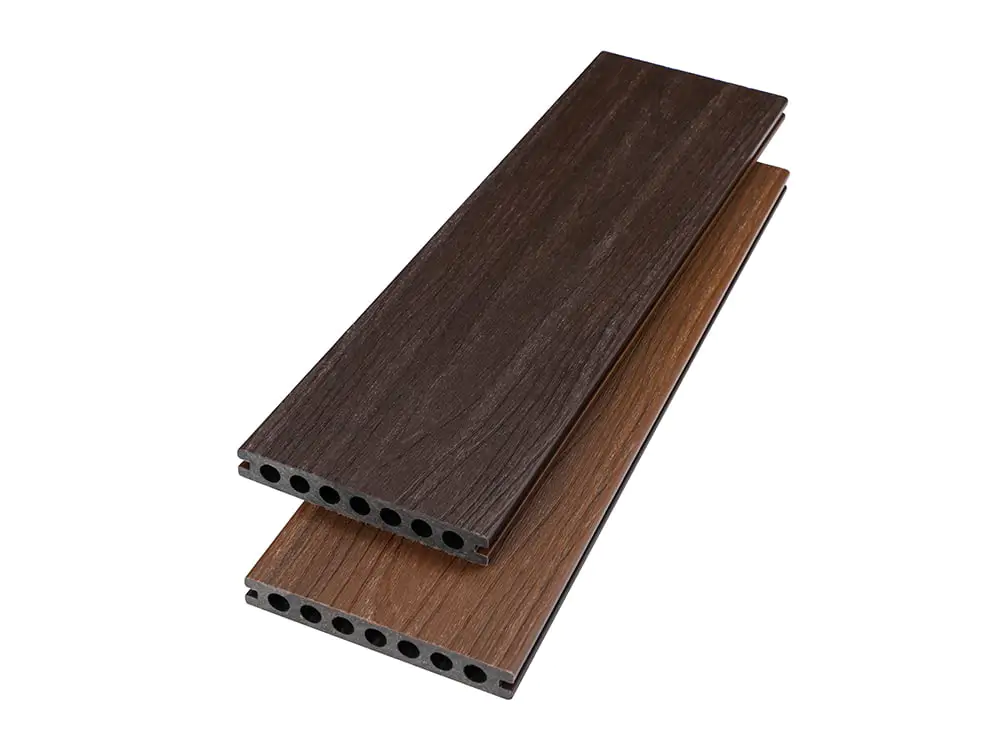
Underneath the surface, this flooring builds up from a rigid core, typically a stone plastic composite base that gives the plank its dimensional stability, topped with a thin wood veneer layer bonded on top. That veneer carries the actual grain pattern and texture people associate with real timber, while the composite core underneath handles the structural demands that solid wood struggles with, like resisting warping under humidity shifts or maintaining a flat surface across a large room.
The combination works because each layer does a job the other cannot do as well on its own. Wood veneer alone would be too delicate for regular foot traffic, and a bare composite core alone would look plastic rather than natural. Put together, buyers get a surface that reads as genuine wood while behaving more like an engineered product underneath.
Does the Veneer Layer Compromise Durability at All?
Not meaningfully, when the construction is done properly. The veneer sits as a protective finish layer over the core, and the core itself carries the weight bearing and moisture resistance responsibilities. Scratches or dents that would seriously damage solid wood tend to have a much smaller impact here, since the composite base underneath is not vulnerable the same way natural timber grain is when pressure or moisture reaches it directly.
Why Do Buyers Care So Much About Water Resistance?
Kitchens, bathrooms, entryways, anywhere moisture regularly meets the floor, solid wood planks tend to struggle over time, cupping or swelling even with careful sealing. A composite core resists that kind of water damage far more reliably, which opens up rooms that were previously off limits for a natural looking wood floor.
This water resistance also matters heavily for commercial spaces. Restaurants, retail stores, and hotel lobbies deal with spills, foot traffic carrying in rain or snow, and frequent cleaning cycles that would wear down a delicate wood surface fast. SPC Flooring Commercial applications lean on this water resistant core specifically because it holds up under conditions that would otherwise demand constant repair or replacement.
How Does This Compare to Other Composite Flooring Options?
Buyers researching flooring categories often run into a handful of similar sounding product types, and telling them apart matters for making the right choice.
| Flooring Type | Core Material | Surface Look | Water Resistance |
|---|---|---|---|
| Wood Veneer SPC Flooring | Stone plastic composite | Real wood veneer texture | High |
| Pure SPC Flooring | Stone plastic composite | Printed wood grain pattern | High |
| WPC Flooring | Wood plastic composite | Printed or textured pattern | Moderate to high |
| Hybrid WPC Flooring | Blended composite core | Varies by manufacturer | High |
Looking at this comparison, the main distinction between the wood veneer version and pure SPC comes down to the surface layer. Pure SPC Flooring uses a printed film to mimic wood grain, which can look convincing but does not carry the same tactile texture as an actual veneer layer. WPC and SPC Flooring share a similar core philosophy but differ in base material density, which affects underfoot feel and sound dampening more than surface appearance.
Is a Printed Surface Really That Different From a Veneer Layer?
Yes, in ways that become obvious once you run a hand across both surfaces. A printed wood grain pattern sits flat, offering visual texture without physical texture underneath a finger. Real wood veneer, even at a thin layer, carries actual grain variation that shifts slightly across the plank, giving a tactile quality that a printed surface cannot fully replicate. For buyers prioritizing a genuinely natural feel rather than just a natural look, that distinction tends to guide the final decision.
Where Does This Flooring Type Fit Best?
Not every space calls for the same flooring solution, and matching the product to the environment avoids costly mismatches down the line.
- Residential living rooms and bedrooms benefit from the warm appearance without the moisture concerns tied to solid wood.
- Kitchens and bathrooms gain from the water resistant core, an area where solid timber planks would typically be avoided altogether.
- Commercial lobbies and retail spaces hold up under heavier foot traffic than a delicate wood surface could sustain over time.
- Rental properties and multi unit housing benefit from durability that reduces turnover related repair costs between tenants.
Does This Flooring Work for DIY Installation as Well?
Often, yes. DIY SPC Flooring products commonly use a click lock system that lets planks connect without adhesive or specialized tools, which makes installation manageable for homeowners or smaller renovation projects without hiring a flooring crew. That same lock system also benefits larger commercial installations by speeding up labor time, since crews are not waiting on adhesive to cure before continuing work across a room.
Steps for Evaluating This Flooring Before a Bulk Order
A few practical steps help buyers avoid surprises once a large order arrives on site.
- Confirm veneer thickness and finish quality, since thinner veneers may show wear faster under heavy commercial traffic.
- Check core density and thickness, which affects how the flooring handles impact and sound transmission between floors.
- Review water resistance ratings for the specific application, particularly for kitchens, bathrooms, or high moisture commercial settings.
- Request sample panels to assess how the wood grain texture actually feels underfoot compared to catalog images.
- Clarify installation requirements, confirming whether the product uses a click lock system suited to the intended labor approach on site.
Bringing the Decision Together for Your Project
Choosing between a printed composite floor, a wood plastic composite, or a wood veneer topped SPC product really comes down to how much weight a project places on genuine texture versus budget and application flexibility, and none of these options is inherently wrong for every setting. Wood Veneer SPC Flooring tends to answer the request for a natural feeling surface that still performs reliably in wet or high traffic areas, giving designers and developers a practical middle ground between solid timber and fully synthetic alternatives. Zhejiang Ousikai New Material Co.,Ltd works with architects, contractors, and distributors sourcing through a Wholesale SPC Flooring relationship built around matching product specifications to actual project conditions, and sharing your room types, expected foot traffic, and installation timeline is a practical way to start narrowing down the right flooring option for your build.

