
 English
 中文简体
中文简体 Español
How Do WPC and SPC Floors Suit Different Commercial Spaces
Picking flooring for a commercial project rarely comes down to just choosing a color someone likes in a showroom. A retail store needs a floor that can handle customers moving through all day, while an office cares more about how comfortable it feels underfoot during an eight-hour shift. Restaurants deal with spills and constant cleaning, clinics need a surface that reads as clean at a glance, and hospitality spaces have to balance atmosphere with daily wear from hundreds of guests passing through.
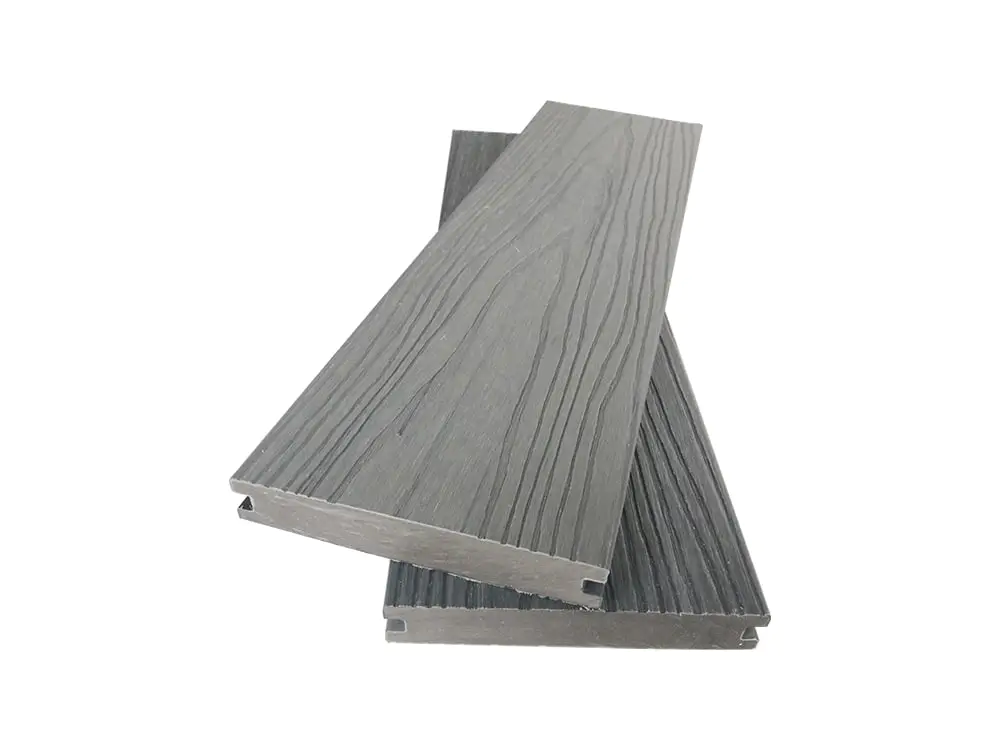
WPC and SPC Flooring address these needs in somewhat different ways. Both are common choices for modern interior projects, but their construction, underfoot feel, and suitable applications are not quite the same. Understanding where each option fits can make the selection process more practical and better aligned with the specific project.
This matters even more once flooring has to work alongside furniture, cleaning schedules, interior design choices, and daily foot traffic. Rather than picking a floor purely on looks, commercial buyers do better starting from how the space actually gets used day to day.
Why Different Commercial Spaces Need Different Flooring Approaches
Commercial interiors get used in genuinely different ways from one business to the next. A quiet accounting office and a busy retail floor on a Saturday afternoon are dealing with completely different demands on their flooring.
Some spaces see constant foot traffic all day without much break. Others involve furniture that gets moved around regularly, display fixtures that shift with the season, or service counters that see heavy daily use. Cleaning routines vary a lot too — a clinic mopping down every few hours looks nothing like an office running a weekly cleaning service.
| Commercial Space | Common Flooring Considerations |
|---|---|
| Office | Comfort underfoot, appearance, straightforward upkeep |
| Retail store | Traffic volume, how it frames displayed products, cleaning ease |
| Restaurant | Daily maintenance demands, general food-service wear |
| Hotel | Interior style, guest comfort, durability under repeated use |
| Clinic | A clean look, practical day-to-day maintenance |
| Showroom | Visual consistency, how it presents products |
This is exactly where WPC and SPC Flooring offer genuinely different starting points. Which one fits better depends on the actual environment, not on which name sounds more premium.
A buyer needs to think through how people actually move through the space, what furniture is going to sit on that floor, and how often someone's going to be cleaning it. The visual relationship with walls, ceiling, furniture, and lighting matters just as much — commercial flooring is one piece of the whole interior, not a standalone decision.
What Actually Separates WPC From SPC Flooring
WPC and SPC Flooring share some traits, but they get built with different priorities in mind.
WPC flooring generally leans toward a more cushioned feel underfoot and tends to create a warmer overall impression in a room. SPC flooring gets chosen more often when a firm, stable surface matters more than a soft step.
| Consideration | WPC Flooring | SPC Flooring |
|---|---|---|
| Underfoot feel | Tends to feel more cushioned | Tends to feel firmer |
| Interior use | Fits comfort-focused spaces well | Fits practical commercial environments well |
| Design | Comes in a range of visual styles | Comes in a range of visual styles |
| Maintenance | Built for straightforward routine care | Built for straightforward routine care |
| Application | Offices, hospitality, retail, and similar interiors | Retail, commercial, service spaces, and similar |
Neither one works as a blanket solution for every project. The actual environment should be doing the deciding here.
A space where people spend long stretches standing — a reception desk, a retail counter — tends to benefit more from how the floor feels underfoot. A busier commercial environment often puts more weight on how stable the surface stays and how easily it holds up to daily cleaning.
How WPC Flooring Fits Office Environments
Office flooring has to strike a professional tone without making the space feel cold or uncomfortable to actually work in.
Employees spend a lot of the workday walking between desks, standing at printers, or moving through shared spaces. Visitors move through reception, into meeting rooms, and back out again.
WPC flooring tends to suit offices where a softer step underfoot is actually part of the interior plan, not an afterthought.
Worth considering for:
- Open-plan work areas
- Reception spaces
- Meeting rooms
- Private offices
- Break rooms
- Workspaces designed with a hospitality-style feel
Visual consistency matters here too. A lot of modern offices use flooring changes to mark off different zones without putting up actual walls — a different flooring pattern signals "meeting area" versus "walkway" without anyone needing a sign to figure that out.
Furniture plays into this as well. Desks, rolling chairs, filing cabinets, and movable partitions all affect both how the floor feels day to day and how it holds up over time. Choosing WPC flooring for an office means weighing appearance and daily practicality together, not picking one and ignoring the other.
Where SPC Flooring Tends to Work Well in Retail Spaces
Retail environments deal with shifting displays and steady customer movement, sometimes for ten or twelve hours straight. The floor has to hold up under an active setting while still looking consistent from open to close.
SPC flooring fits naturally into spaces like:
Clothing stores — a clean, even floor supports product displays and helps create a shopping environment that feels put-together rather than worn down.
Convenience stores — easy, quick routine maintenance matters a lot in spaces where customers and staff are both moving through constantly, often at odd hours.
Specialty shops — flooring can get matched to a store's specific visual identity and how it wants products to be seen.
Showrooms — a stable surface complements furniture, fixtures, and whatever's on display without competing for attention.
Retail buyers also need to think about shelves getting moved, display stands shifting with new merchandise, and other equipment rolling across the floor regularly.
The floor isn't just something customers walk on either. Staff are constantly moving stock, rearranging displays, and cleaning the space throughout the day — which is exactly why practical, low-hassle maintenance ends up being such a big part of the decision.
How WPC and SPC Flooring Fit Hospitality Spaces
Hotels, cafés, and similar hospitality spaces have to balance how things look with how much daily wear they'll actually take.
Guests notice the floor the moment they walk in, even if they never consciously think about it. The surface shapes the feeling of a room, even when it's clearly not the main design statement.
WPC flooring fits well in areas where comfort and atmosphere carry real weight. Guest rooms, lounges, and certain reception areas often benefit from that softer visual and physical character underfoot.
SPC flooring makes more sense in areas where a firmer surface and easier daily upkeep matter more than atmosphere alone.
Different zones within the same property don't need to match each other:
| Hospitality Area | Possible Flooring Priority |
|---|---|
| Guest room | Comfort and overall atmosphere |
| Lobby | Appearance alongside heavy daily traffic |
| Café | Maintenance ease and visual coordination |
| Lounge | Comfort paired with design |
| Corridor | Practical daily use and a consistent look |
This lets designers and buyers match flooring to what each specific space is actually for. A hotel corridor and a guest room are doing completely different jobs — treating them identically just because they're under the same roof tends to limit both the design and the practical outcome.
What Role SPC Flooring Material Plays in Commercial Projects
The term "SPC flooring material" comes up a lot when people are discussing the physical makeup of the product and how it fits into an interior project.
For commercial buyers, the material itself is only one part of the decision. Installation conditions, room layout, design goals, cleaning routines, and how the space actually gets used day to day all factor in alongside it.
SPC flooring fits well in projects where buyers want a structured, firm-feeling floor with a decent range of decorative options to pick from.
Commercial uses turn up in:
- Retail interiors
- Office spaces
- Hospitality areas
- Service-based businesses
- Showrooms
- Shared commercial areas like lobbies or corridors
The surrounding environment still matters here — a flooring material should get evaluated alongside the existing floor condition, how the room's actually used, how furniture gets arranged, and what maintenance routine the business already runs. That keeps buyers from picking a product based purely on a general material description without checking whether it actually fits the room it's going into.
Comparing WPC and SPC for Busy Commercial Areas
Traffic is one of the biggest factors in choosing commercial flooring, but it's worth being specific about what "traffic" actually means in practice.
It's not just a raw count of how many people walk through a space. Buyers should think about where people actually walk, how furniture gets positioned, how often the floor gets cleaned, and whether equipment gets rolled or dragged across the surface regularly.
| Project Factor | WPC Consideration | SPC Consideration |
|---|---|---|
| Frequent walking | Prioritizes underfoot comfort | Prioritizes a firm surface feel |
| Office environment | Suited to comfort-focused interiors | Suited to practical, working office areas |
| Retail setting | Suited to design-focused spaces | Suited to busier, active commercial areas |
| Hospitality | Useful where atmosphere carries weight | Useful when routine care is important |
| Furniture | Factor in room layout and placement | Factor in placement and how the surface gets used |
| Cleaning | Plan for regular upkeep | Plan for regular upkeep |
None of this means one type has to replace the other across a whole project.
A single commercial property can reasonably use both materials in different rooms, with the choice following what each room is actually for. A hotel, for instance, might run WPC flooring through guest-facing spaces and switch to SPC flooring in certain service areas — creating different experiences room to room while still holding together as one coherent interior.
How a WPC Flooring Manufacturer Can Support a Commercial Project
Working with a manufacturer who understands commercial applications tends to make customization and overall project planning a lot smoother.
Commercial projects usually involve more than picking a color swatch. Buyers often need to talk through flooring appearance, how the room gets used, installation conditions, packaging, delivery logistics, and general project coordination.
A manufacturer who's dealt with commercial work before can help connect the flooring choice directly to the environment it's going into. Worth covering in that conversation:
- Project type — is this going into an office, a retail space, a hotel, a restaurant, or something else entirely?
- Room conditions — what does the existing floor and surrounding space actually look like?
- Design direction — what colors, patterns, and overall interior style is the project working toward?
- Daily use — how will the space actually get occupied and maintained once it's finished?
- Installation plan — does the flooring format that's been chosen actually suit the project's specific conditions?
- Maintenance expectations — what does the routine cleaning and upkeep plan look like going forward?
Handing over clear information like this helps the manufacturer actually understand what the buyer needs, rather than guessing. That matters even more on larger projects where several rooms need flooring choices that work together as a set.
Building a Practical Flooring Plan as a Commercial Buyer
A flooring plan works better when it starts with the space itself, not with flipping through a product catalog first.
Begin by breaking the property down by function — where do people actually gather, where does traffic move heaviest, and where does comfort or appearance carry more weight than raw durability?
From there, think through how flooring relates to everything else in the interior:
- Mapping out what each room is actually used for
- Identifying where foot traffic concentrates
- Reviewing how furniture will get placed and moved
- Thinking through the cleaning routine that'll actually get followed
- Comparing WPC and SPC characteristics against each room's needs
- Matching colors to the broader interior design
- Talking through installation conditions directly with suppliers
Working through it this way heads off unnecessary uniformity across a property. A commercial building doesn't need one single flooring type running through every single room — different spaces can run different solutions while the whole thing still reads as one consistent design.
For buyers weighing WPC against SPC, the more useful question usually isn't which material sounds better in general terms. It's which flooring characteristics actually line up with how each specific space in the building gets used day to day. That shift in framing tends to make the whole decision easier to explain to a project team, and it keeps the outcome tied directly to what the finished interior actually needs.

