
 English
 中文简体
中文简体 Español
How Can DIY SPC Flooring Simplify Small Room Renovations
Anyone who's tried squeezing a flooring project into a bedroom the size of a walk-in closet knows how quickly a simple refresh can turn into a logistical headache. Renovating a small room can become genuinely complicated when the flooring takes too much time, creates too much mess, or requires difficult preparation before anything even starts. Homeowners often want to refresh a bedroom, study, hallway, or compact living area without turning the entire space into a long construction project stretching over weeks. The challenge is finding a flooring solution that fits the room, works with the renovation plan, and stays manageable during installation itself.
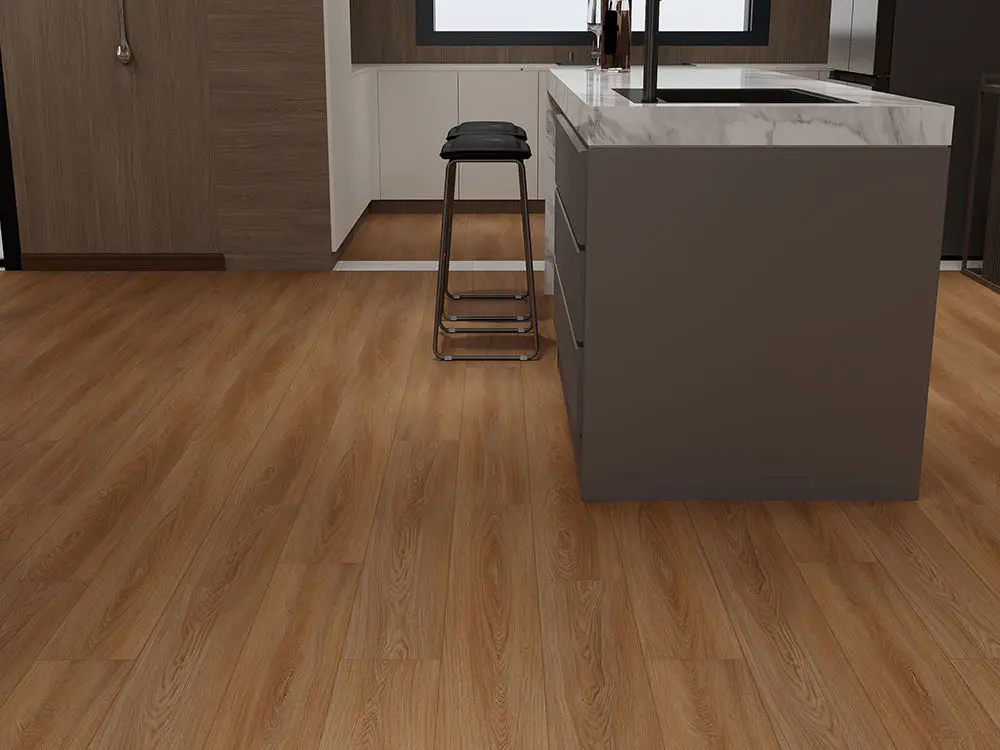
This is where DIY SPC Flooring can attract real attention. Its format can make flooring replacement more approachable for homeowners who want to handle part of the renovation themselves, rather than calling in a crew for every step. Instead of treating flooring as a separate professional project sitting apart from everything else, users can plan it as one part of a broader room update running alongside painting, furniture swaps, or fixture changes.
For small spaces, the appeal isn't only about installation ease. Material selection, visual continuity, cutting, handling, room preparation, and future maintenance can all affect how practical the renovation actually feels once the tools come out.
Why Small Spaces Can Be Difficult to Renovate
A small room may look simple at a glance, but limited space can make renovation work surprisingly demanding once it actually starts. Furniture has less room to move around, working areas get restricted quickly, and materials can be genuinely difficult to organize in a cramped corner.
Flooring also carries a strong visual effect on the room as a whole. Because the floor covers a large part of any space, an unsuitable pattern or color can make the room feel visually crowded the moment it's done.
Common renovation concerns include:
| Small Space Concern | Flooring Consideration |
|---|---|
| Limited working area | Easy handling becomes useful |
| Existing furniture | Flooring should fit the renovation sequence |
| Narrow rooms | Pattern direction can influence appearance |
| Small storage area | Materials need practical organization |
| Short renovation schedule | Straightforward installation can help |
| Visual clutter | Consistent flooring can create a cleaner look |
These issues explain why flooring choice deserves consideration early in the planning, not as an afterthought once other decisions are already locked in. A material that works well in a large open room may not feel equally convenient in a compact apartment or narrow hallway. Small spaces require a closer relationship between practical installation and visual planning than a spacious living room ever would.
How DIY SPC Flooring Can Make Installation More Manageable
One reason homeowners consider DIY SPC Flooring is the possibility of handling installation without turning the entire process into a specialist task requiring a contractor's schedule.
The flooring format can let users work in sections rather than all at once. This proves helpful when the available space is limited and furniture needs moving gradually from one side of the room to the other as work progresses.
A typical renovation workflow may involve:
- Clearing the working area
- Preparing the existing floor
- Planning the flooring direction
- Organizing the pieces before installation
- Fitting the flooring according to the product instructions
- Checking edges and transitions
- Returning furniture after the installation area is ready
The process still requires genuine care throughout, though. DIY doesn't mean preparation can get skipped just because a professional isn't standing there. The existing floor needs to be suitable for the chosen flooring system, and users should follow the installation instructions supplied with the product closely rather than improvising.
For small rooms, careful preparation reduces unnecessary cutting and helps keep the work area organized throughout a weekend project.
What Homeowners Should Know About Bahan SPC Flooring
Bahan SPC Flooring refers to SPC flooring material, commonly selected for residential flooring applications where users want a practical surface with a structured appearance underfoot.
For small renovation projects, material choice influences both handling and visual results in ways that matter once the room is finished.
Homeowners should consider the room itself, rather than selecting flooring based only on how it looks in a showroom display.
A bedroom may call for a warm visual style that feels cozy underfoot. A compact office may benefit from a cleaner, simpler surface that stays out of the way visually. A hallway may require a design that works with surrounding rooms it connects to.
The material should also suit the existing floor and installation conditions already present in the space.
Before purchasing, homeowners can check:
- Whether the existing floor is suitable
- Whether the room is ready for installation
- Whether the selected product matches the intended application
- Whether the installation method fits the user's ability
- Whether the appearance works with existing furniture
- Whether the care instructions are practical for daily use
These checks prevent appearance from becoming the only consideration driving the purchase.
How Wood Veneer SPC Flooring Changes the Look of a Small Room
Flooring does more than simply cover the floor underfoot. Its pattern can influence how an entire room feels the moment someone walks in.
Wood Veneer SPC Flooring can introduce a wood-inspired appearance while maintaining the practical character associated with SPC flooring generally. This proves useful in small rooms where homeowners want a warmer visual atmosphere without adding a lot of decorative elements competing for attention.
Wood patterns also interact with the shape of the room itself. For example, flooring boards arranged along the longer direction of a narrow room can create a different visual effect from boards placed across it. The surrounding wall color, furniture arrangement, and natural light all influence the final appearance too.
A simple flooring design may work particularly well when the room already contains several furniture pieces competing for visual space. Instead of adding more visual details on top, the floor can provide a consistent background that lets everything else breathe.
This approach makes the room feel more organized without requiring major changes to the rest of the interior.
Can Flooring Layout Make a Small Room Feel More Organized?
Yes, layout genuinely affects how the floor interacts with the room as a whole.
A small space often benefits from visual continuity running throughout. Too many changes in pattern or direction can make the floor appear fragmented and busy underfoot.
When planning the installation, homeowners can think about:
| Planning Point | Possible Effect |
|---|---|
| Board direction | Influences the visual flow |
| Pattern consistency | Creates a more connected appearance |
| Room transitions | Helps neighboring areas relate visually |
| Furniture placement | Can affect which flooring areas remain visible |
| Natural light | Changes how surface colors are perceived |
The goal isn't making the room appear larger through some single clever trick. Instead, the flooring should support the overall arrangement already in place.
In an open small apartment, using a related flooring appearance across connected areas can create a smoother transition from kitchen to living room. In separate rooms, a different pattern may help define each space as its own distinct area. The choice depends on the desired interior style the homeowner's going for.
How DIY SPC Flooring Can Work Around Small Room Challenges
Small rooms often contain awkward corners, door frames, built-in cabinets, or narrow passages that complicate an otherwise straightforward job.
These areas can make flooring installation genuinely more complicated than a wide open room would be. A DIY project gets easier when homeowners plan these areas before beginning the main installation, rather than discovering problems mid-project.
It helps to identify:
- Door openings
- Room corners
- Fixed cabinets
- Wall edges
- Floor transitions
- Areas where furniture cannot easily be moved
Planning these points in advance reduces unnecessary interruptions once the work actually starts. Cutting should also get approached carefully. Measurements need checking before pieces are cut, particularly around irregular spaces where a small error becomes obvious later.
Homeowners should use the tools and procedures recommended for their particular flooring product, rather than improvising with whatever's on hand. If an area is difficult to prepare or the existing floor has significant problems, professional assistance may genuinely be the more sensible route. DIY installation can simplify a project, but it doesn't remove the need for proper preparation along the way.
Why Existing Floor Preparation Matters
A new floor can't compensate for every problem sitting underneath it, no matter how good the material itself looks.
Small spaces often contain older flooring, uneven surfaces, or areas modified during previous renovations that nobody documented properly. These conditions deserve examination before installation starts, not after the new floor is already down.
A suitable base helps the new flooring sit properly and reduces avoidable installation difficulties down the line.
Homeowners can look for:
- Loose sections
- Visible damage
- Uneven areas
- Moisture concerns
- Dirt or debris
- Areas that require repair
The exact preparation method depends on the existing floor and the SPC product being installed over it. This step is easy to overlook because it happens before the new flooring becomes visible to anyone. Yet it can have a genuinely major effect on the whole renovation experience once work is underway.
Taking time to prepare the room makes the later installation a lot more predictable overall.
How SPC Flooring Can Support Different Small-Space Renovation Styles
Small spaces don't all serve the same purpose, even when they're similar in square footage.
A compact bedroom may focus on comfort above all else. A home office may need a clean working environment that supports concentration. A small rental apartment may need a practical visual update without extensive structural changes the landlord won't approve anyway.
DIY SPC Flooring can fit different design directions because the appearance of SPC flooring comes in a range of visual styles to choose from.
Small bedrooms can use a wood-inspired surface to create a warm background for simple furniture and soft textiles layered on top.
Home offices benefit from a clean floor pattern that helps create a visually organized workspace conducive to focus.
Narrow hallways work well with a consistent flooring direction that connects the entrance with nearby rooms it leads into.
Small living rooms can use a neutral floor that works with different furniture arrangements and decorative styles as they change over time.
Compact rental spaces benefit from a manageable renovation approach that appeals to tenants wanting to refresh a room without carrying out major construction work a landlord might object to.
The flooring should support the purpose of the space rather than dominate the room visually.
What Role a Flooring Manufacturer Plays in DIY Projects
A manufacturer can influence how accessible a flooring product actually is for DIY users tackling a project solo.
Clear product information helps homeowners understand what they're purchasing and whether it genuinely fits their intended project before money changes hands.
A useful product description explains the installation method, recommended applications, care requirements, and preparation considerations without making the whole process sound unnecessarily complicated.
For buyers comparing Bahan SPC Flooring, it also helps understanding the difference between material appearance and actual installation requirements underneath that surface. A product may look suitable online but still require specific preparation conditions that only become clear once the box arrives.
Manufacturers and suppliers can support buyers by providing:
- Clear installation instructions
- Product care guidance
- Suitable application information
- Packaging that protects the flooring
- Helpful information about compatible accessories
- Guidance for common installation situations
Good information doesn't replace practical experience gained hands-on, but it genuinely helps homeowners make more informed decisions before the project begins.
How Homeowners Can Keep a DIY Flooring Project Organized
Organization matters more in a small room because there's less space to absorb mistakes along the way.
Before starting, homeowners can prepare the room and separate the flooring materials from tools and furniture cluttering the space.
A simple working plan can include:
- Remove unnecessary items from the room
- Inspect and prepare the existing floor
- Plan the installation direction
- Arrange flooring materials in an accessible location
- Keep tools organized
- Work through the room in a logical sequence
- Check each completed section before moving forward
It also helps avoiding rushing around complicated areas just to get them over with. Doorways and corners often require more attention than open sections do. Taking time to check the fit helps maintain a consistent appearance across the whole room once everything's in place.
The aim is making the project manageable, rather than simply finishing as quickly as possible and hoping for the best.
For many homeowners, this is where DIY SPC Flooring fits naturally into a small-space renovation. It gives the flooring work a more approachable structure while letting the user make decisions about room layout, appearance, and installation planning on their own terms. The combination of Bahan SPC Flooring, practical installation methods, and styles such as Wood Veneer SPC Flooring can give small rooms more flexibility without requiring the entire renovation to become a large construction project taking over the whole house.

