
 English
 中文简体
中文简体 Español
What Factors Affect Bahan SPC Flooring Material Choice?
A retail store swaps its old vinyl flooring for something new, and within a few months the surface near the entrance starts showing scuff marks from shopping carts and foot traffic dragging in grit from outside. The flooring wasn't a bad choice on paper — it just wasn't matched to how that specific space actually gets used every day. That mismatch is exactly what proper material selection is supposed to prevent.
Why the Space Itself Should Drive the Decision Before Anything Else
Flooring gets chosen too often based on how a sample looks under showroom lighting, rather than how it'll hold up under the specific conditions of the space it's going into. A material that performs well in a quiet bedroom might struggle in a busy office hallway, and something built for heavy commercial traffic might feel unnecessarily rigid in a home.
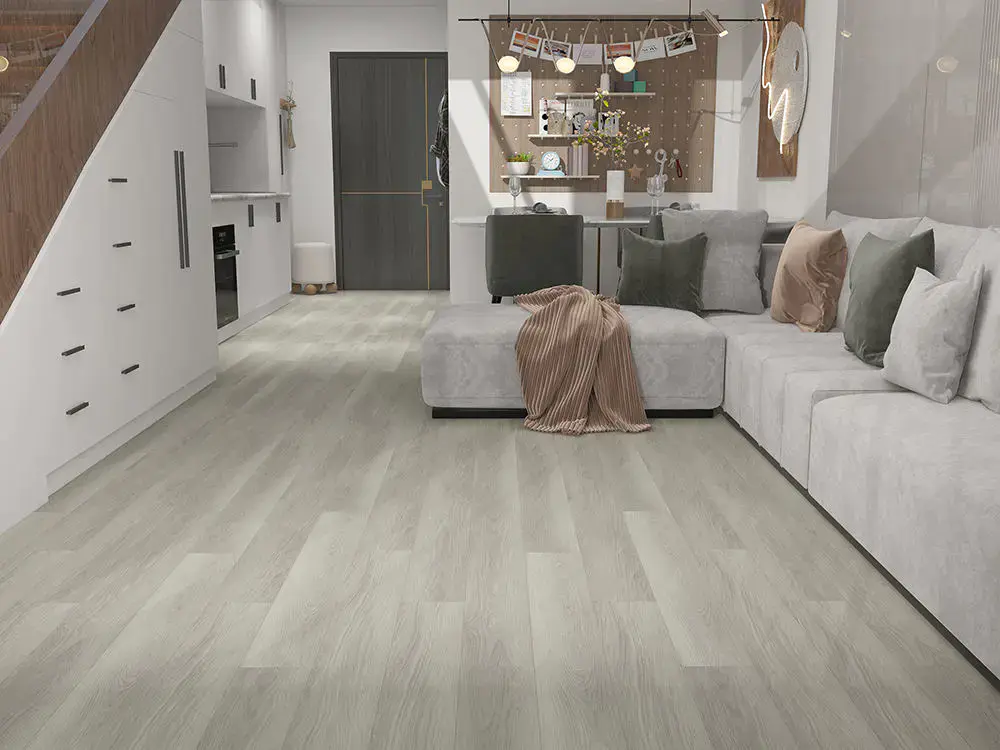
A bedroom mostly needs comfort underfoot and a pleasant appearance, since foot traffic stays light and consistent. A retail floor near an entrance deals with constant movement, dragged-in dirt, and occasional spills, which calls for something that resists wear without needing constant attention.
| Selection Factor | Purpose |
|---|---|
| Usage environment | Matches material choice to actual daily conditions |
| Appearance design | Supports the interior style of the space |
| Maintenance needs | Shapes how much daily upkeep the floor will require |
| Installation requirements | Affects how the project gets planned and scheduled |
Skipping this step and picking flooring purely on appearance tends to surface problems only after installation, once the material starts responding to real daily use rather than a showroom setting.
What SPC Flooring Actually Offers as a Material Option
SPC Flooring is built around a stone-plastic composite core, which gives it a denser, more rigid structure than some other resilient flooring types. That rigidity affects how it handles moisture, temperature shifts, and the kind of repeated pressure that comes from foot traffic or rolling furniture.
For someone comparing flooring options across a project, understanding what this material actually brings to the table matters more than just knowing its name.
| Consideration | Description |
|---|---|
| Design options | Available in styles that mimic wood, stone, or other finishes |
| Usage flexibility | Suited to a range of indoor spaces, from homes to offices |
| Surface appearance | Affects how light reflects and how the room feels visually |
| Maintenance approach | Generally involves routine cleaning without specialized products |
A project manager comparing several flooring types for a mixed-use building often finds SPC Flooring worth considering specifically because it doesn't demand a completely different maintenance routine from one area of the building to another.
Foot Traffic and Room Function Change What a Floor Needs to Handle
Two rooms in the same building can have entirely different flooring needs depending on how people actually move through them. A quiet home office experiences far less daily activity than a shared hallway or reception area, and this difference can have a noticeable effect on material performance over time.
Things worth thinking through before choosing:
- How many people move through the space on an average day
- Whether the room sees dry use only, or occasional moisture from cleaning, weather, or spills
- How often the space gets cleaned, and what cleaning method gets used
- Whether the room's design calls for a specific visual tone or texture
- Whether furniture gets moved around frequently, adding wear at contact points
A daycare center and a private study might both consider SPC Flooring, but each is weighing entirely different daily stresses on that same material.
Why Appearance Still Matters Even in Practical Spaces
Function matters, but nobody wants a floor that feels sterile or out of place with the rest of a room's design. Color, texture, and pattern choices influence the atmosphere of a space when someone enters, and flooring contributes significantly to that initial visual impression.
| Design Element | Influence |
|---|---|
| Surface style | Sets the general tone or mood of the room |
| Color choice | Needs to work alongside walls, furniture, and lighting |
| Pattern design | Adds visual interest or keeps things simple, depending on the goal |
| Overall appearance | Ties the floor into the broader design plan |
A homeowner renovating a living room wants flooring that feels warm and inviting, while an office redesign might lean toward something cleaner and more neutral. SPC Flooring's range of finish options gives planners room to match either direction without switching to a completely different material category.
Maintenance Habits Should Shape the Decision, Not Follow It
A floor that looks appealing on installation day but turns into a maintenance burden a year later ends up costing more time and frustration than it initially saved. This becomes especially clear in commercial spaces, where cleaning and upkeep are part of daily operations rather than an occasional task.
| Maintenance Factor | Reason |
|---|---|
| Cleaning method | Determines what tools and products get used regularly |
| Surface care | Affects how well the floor holds its appearance over time |
| Usage habits | Shapes how often maintenance actually needs to happen |
| Management resources | Influences whether a space has the staff or budget for upkeep |
A restaurant kitchen floor gets mopped multiple times a day, while a quiet hallway in an office building might only need occasional attention. Choosing flooring without accounting for this difference tends to create mismatched expectations once the space is actually in use.
Installation Realities That Often Get Overlooked Early On
Flooring decisions sometimes get made before anyone checks whether the existing floor, project timeline, or site conditions actually support that choice. A material that's straightforward to install in one setting can turn complicated in another, depending on subfloor condition or how much prep work is realistically possible before a deadline.
Things worth checking before finalizing a purchase:
- The condition of the current floor and whether leveling or repairs are required before installation.
- How much time the project schedule actually allows for installation
- Whether the installation process requires specialized tools or trained installers
- How the new flooring will transition into adjoining rooms or materials
A renovation project working around a tight deadline benefits from confirming these details early, rather than discovering a scheduling conflict once materials have already been ordered.
Budget Planning Goes Beyond the Initial Price Tag
Comparing flooring options purely on upfront cost misses a good part of the actual financial picture. A cheaper material that needs frequent replacement or high-maintenance care can end up costing more over several years than a slightly pricier option that holds up longer with less attention.
| Budget Factor | Importance |
|---|---|
| Material cost | The visible figure, yet not the only factor that deserves attention. |
| Installation expense | Varies depending on labor, prep work, and site conditions |
| Maintenance needs | Adds ongoing cost that's easy to underestimate upfront |
| Replacement considerations | Affects how soon the floor might need redoing |
A property manager overseeing several rental units often finds that spending slightly more upfront on flooring that resists wear saves money later, since fewer units need flooring replaced between tenants.
Why Consistency Matters More on Larger Projects
A single room can tolerate small variations in a flooring batch without anyone noticing. A large commercial project spanning multiple floors or buildings can't afford that same inconsistency, since visible differences between areas stand out and create an unfinished impression.
Procurement teams handling bigger orders tend to look closely at:
- Whether the supplier can maintain consistent color and texture across large orders
- How production batches get tracked and matched to avoid visible differences
- What communication process exists for handling questions or issues during the order
- Whether sample materials accurately represent what the final delivered product will look like
A hotel chain renovating several locations at once depends on this kind of consistency to keep every property looking coordinated, rather than having one location's flooring look noticeably different from another.
Flooring Doesn't Exist in Isolation From the Rest of a Building
A material that seems like a good fit on its own can still create problems if it doesn't work well alongside other parts of a building's design or function. Flooring decisions affect door clearances, transitions between rooms, and how well a space handles its intended use over time.
| Evaluation Area | Purpose |
|---|---|
| Space planning | Confirms the material actually suits the layout |
| Usage conditions | Matches flooring to how the space gets used day to day |
| Installation requirements | Supports a smoother, better-coordinated project timeline |
| Future maintenance | Helps avoid problems that only show up after months of use |
An engineering team reviewing a new office layout benefits from checking these details before finalizing a flooring order, since fixing a mismatch after installation is far more disruptive than catching it during planning.
How Buyer Expectations Have Shifted Over Time
Flooring decisions used to focus heavily on appearance alone, with practical considerations treated as secondary. That's shifted as more buyers — homeowners and businesses alike — start weighing several factors together rather than picking based on a single standout feature.
For SPC Flooring specifically, this shift means buyers increasingly ask how it performs across different rooms, how it holds up under specific traffic patterns, and how much ongoing care it realistically requires, rather than judging it purely on how a sample piece looks in a showroom.
As building projects continue diversifying in purpose and design, flooring selection will likely keep leaning toward this kind of layered evaluation — balancing appearance, daily function, installation practicality, and long-term cost together, rather than treating any single factor as the deciding one.

