
 English
 中文简体
中文简体 Español
How Outdoor Climate Affects the Right WPC Flooring Choice
Watching a beautiful outdoor deck warp, swell, or fade within a single season after installation is the kind of disappointment that sends buyers straight back to researching WPC Waterproof Floors more carefully the second time around. Climate affects flooring materials in different ways, and overlooking this factor during the selection process is often why outdoor projects face premature repairs or replacement. Anyone who has already been burned by this mismatch understands why getting the climate question right matters more than almost anything else in the selection process. Getting this decision right means understanding how heat, cold, moisture, and sun exposure each interact differently with flooring materials, rather than assuming any waterproof-labeled product automatically handles every outdoor condition equally well.
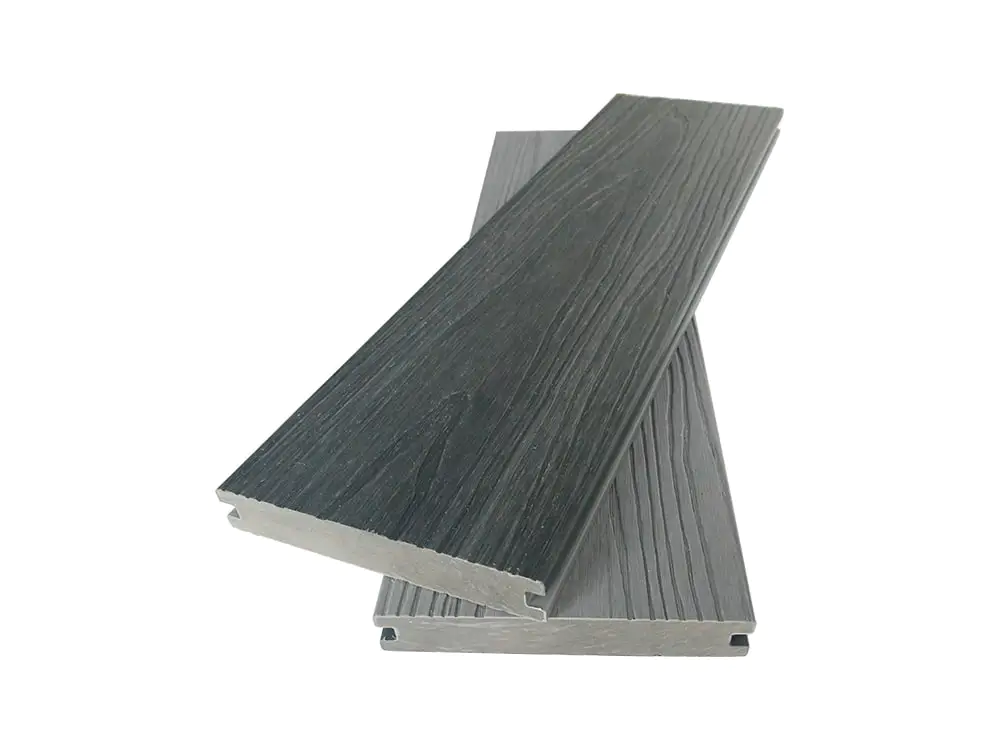
Why Does Temperature Swing So Dramatically Affect Flooring Performance?
Heat can cause plastic-based flooring materials to soften slightly and expand, while colder conditions may trigger the opposite effect, causing contraction and making the material more prone to brittleness. This expansion and contraction cycle, repeated across seasons or even single days in climates with wide temperature swings, puts ongoing stress on flooring materials that weren't designed with this movement in mind.
Materials that can't accommodate this dimensional change gradually develop gaps, buckling, or surface cracking over repeated cycles. This is part of why flooring performing beautifully in a mild, stable climate sometimes disappoints considerably once installed somewhere with harsher seasonal swings.
Does Humidity Create a Separate Problem From Temperature Alone?
It does, and the two factors often compound each other rather than acting independently. High humidity combined with heat can speed up softening in certain plastic compounds, while moisture exposure on its own may create conditions for mold or mildew growth on materials that lack proper resistance to moisture within their structure.
WPC Waterproof Floors address part of this challenge directly through their composition, since the waterproof characteristic specifically targets moisture resistance that traditional wood composite alternatives often struggle with in consistently humid environments.
How Ultraviolet Exposure Changes Flooring Over Time
Sun exposure does more than simply warm a surface. Ultraviolet radiation can break down certain polymer bonds in plastic-based materials after prolonged exposure, causing fading, surface chalking, or gradual brittleness that becomes more visible as flooring remains under direct sunlight.
Flooring installed in partially shaded areas typically shows less dramatic UV-related aging than flooring facing constant, unobstructed sun exposure throughout the day. This is worth considering separately from temperature and humidity, since a shaded outdoor area in a hot climate faces a different aging pattern than an unshaded area in the same climate zone.
Should Buyers Worry More About Fading or Structural Degradation From UV Exposure?
Both matter, though they show up differently over time. Fading is primarily a cosmetic concern, affecting appearance without necessarily compromising structural integrity immediately. Structural changes caused by prolonged UV exposure can gradually affect material strength and flexibility, which may result in cracking or increased brittleness beyond surface-level appearance concerns.
Buyers installing flooring in consistently sun-exposed outdoor areas benefit from asking specifically about UV resistance formulation, rather than assuming general waterproof or weather-resistant labeling automatically covers this particular concern.
Comparing Material Behavior Across Different Climate Conditions
| Material Type | Hot and Humid Climate Performance | Cold Climate Performance | UV Exposure Resistance |
|---|---|---|---|
| WPC Waterproof Floors | Generally stable, resists moisture-related swelling | Reasonable, though cold environments require checking the specific formulation | Moderate, benefits from UV-stabilized formulations |
| Hybrid WPC Flooring | Strong stability across temperature swings | Good adaptability to fluctuating conditions | Generally solid with proper additive treatment |
| PVC Patio Flooring | Prone to softening under sustained heat | Can become brittle in sustained cold | Variable, depends on specific product formulation |
| SPC Flooring Commercial | Stable indoors, more limited data for sustained outdoor exposure | Reasonable indoors, outdoor performance less established | Primarily designed for indoor use |
Why Do Some WPC Formulations Handle Climate Swings Better Than Others?
Not every WPC product uses identical composition, and this variation explains why performance can differ noticeably between products marketed under the same general category. Hybrid WPC flooring formulations often incorporate additional stabilizing compounds specifically designed to improve dimensional stability across temperature swings, addressing the expansion and contraction issue more directly than simpler formulations might.
Buyers comparing options should ask suppliers directly about formulation differences rather than assuming all WPC products perform identically simply because they share the same broad material category. This distinction matters considerably more once a project moves from mild, stable climates toward regions with more pronounced seasonal variation.
Does Hybrid Formulation Always Justify Its Added Cost?
For projects in climates with genuinely significant temperature swings or sustained humidity extremes, the added stability often justifies the additional investment, since premature material failure ends up costing considerably more in replacement and labor than the initial price difference would have. For projects in milder, more stable climates, standard WPC formulations might perform perfectly adequately without needing the enhanced stability that hybrid formulations provide. Choosing a formulation that fits actual climate conditions, instead of automatically selecting based on price or marketing focus, can improve long-term satisfaction with the completed installation.
Regional Climate Patterns Worth Considering Before Selection
Different broad climate categories create distinct flooring stress patterns, and understanding which category a project falls into helps narrow material selection meaningfully.
- Tropical and consistently humid regions benefit from flooring prioritizing moisture resistance and mold prevention above all else
- Regions with pronounced seasonal temperature swings need flooring capable of handling repeated expansion and contraction without developing gaps or warping
- Coastal or marine climates combine humidity with salt air exposure, requiring materials resistant to both moisture and potential corrosive elements
- Arid, sun-intense regions place UV resistance and heat tolerance above humidity concerns, since moisture exposure plays a smaller role in these environments
Identifying the category that fits a specific installation location helps buyers focus on the performance characteristics that matter for their needs, rather than trying to address every possible climate condition at once.
How Should Buyers Handle Projects Spanning Multiple Climate Conditions?
Larger developments or landscape projects covering varied outdoor spaces, some shaded, some fully exposed, some closer to water features, sometimes face multiple climate stress patterns within a single property. In these situations, working with suppliers who understand how to match different flooring specifications to different zones within the same project tends to produce better results than applying one uniform specification across an entire varied outdoor space.
Comparing WPC Against Alternative Outdoor Flooring Materials
Buyers evaluating outdoor flooring options don't always land on WPC immediately, and understanding how alternatives compare under climate stress helps clarify why WPC often becomes the preferred choice for many outdoor applications.
- PVC patio flooring tends to show more noticeable softening under sustained heat exposure compared to WPC alternatives, particularly in consistently hot climates
- SPC flooring commercial products, while performing well indoors, generally carry less established outdoor performance data, making them a less proven choice for sustained outdoor exposure
- WPC and SPC flooring comparisons often come down to indoor versus outdoor suitability, with SPC generally favored for controlled indoor environments and WPC more commonly specified for outdoor applications
Why Does WPC Tend to Outperform PVC Specifically in Outdoor Settings?
WPC composition typically incorporates wood fiber alongside plastic polymers, creating a material that behaves somewhat differently under thermal stress compared to purely plastic-based PVC products. This composition often provides better dimensional stability across temperature swings, though the specific performance still depends on formulation quality and whether the product includes UV-stabilizing additives suited to outdoor exposure.
Buyers should avoid assuming this outperformance applies universally without checking specific product formulations, since quality variation exists within the WPC category just as it does within PVC product lines.
Steps for Matching Flooring Choice to Local Climate Conditions
Rather than selecting flooring based on general category assumptions, working through a structured evaluation process helps match material choice to actual site conditions:
- Identify the specific climate category the installation site falls into, considering temperature range, humidity levels, and sun exposure
- Request formulation details from suppliers regarding UV stabilization and dimensional stability additives
- Consider whether the project spans multiple micro-climate zones within the same property requiring different specifications
- Compare WPC Waterproof Floors against alternative materials specifically for the climate conditions in question, rather than relying on general marketing claims
- Factor in installation and maintenance access, since flooring performing adequately under climate stress still needs occasional inspection to catch developing issues early
Working through these steps before finalizing a flooring order helps avoid the disappointment of premature material failure that so often results from selecting flooring based on appearance or price alone without properly weighing climate suitability.
Long-Term Maintenance Considerations Tied to Climate Exposure
Even well-matched flooring benefits from periodic inspection, particularly in climates presenting sustained environmental stress. Regular checks help catch developing issues before they escalate into costlier repairs.
- Inspect for early signs of surface fading or chalking in sun-exposed areas, addressing UV-related wear before it progresses further
- Check for gaps or slight warping after seasonal changes, especially after the initial year of a new installation.
- Monitor for any moisture-related discoloration in consistently humid or coastal environments
- Confirm drainage beneath the flooring remains adequate, since standing water beneath any outdoor flooring material accelerates degradation regardless of the material's inherent moisture resistance
Building this kind of periodic inspection into routine property maintenance, rather than waiting for visible problems to force attention, extends flooring lifespan considerably across whatever climate conditions the installation actually faces.
Choosing the right outdoor flooring ultimately depends on honestly matching material formulation to the specific climate conditions a project will actually experience, rather than assuming any waterproof-labeled product handles every environmental stress equally well. Whether a project calls for standard WPC Waterproof Floors, a hybrid formulation suited to pronounced seasonal swings, or careful comparison against PVC patio flooring and SPC flooring commercial alternatives, understanding how heat, humidity, and UV exposure each affect material performance gives buyers a considerably stronger foundation for making a decision that holds up across years of actual outdoor use. Zhejiang Ousikai New Material Co.,Ltd works with buyers navigating exactly this kind of climate-based material selection, helping match flooring formulation to the specific environmental demands each project site actually faces. Reach out with project location details or climate considerations, and the conversation about which flooring specification fits can start from there.

