
 English
 中文简体
中文简体 Español
Why WPC Waterproof Floors Suit Outdoor Living Spaces
A patio that warps after one rainy season, a deck that needs sanding and resealing every year just to look presentable, that's the cycle a lot of homeowners and contractors get stuck in before they ever hear about WPC Waterproof Floors. If constant upkeep on outdoor flooring has become its own chore rather than something you install and forget about, this is worth reading through.
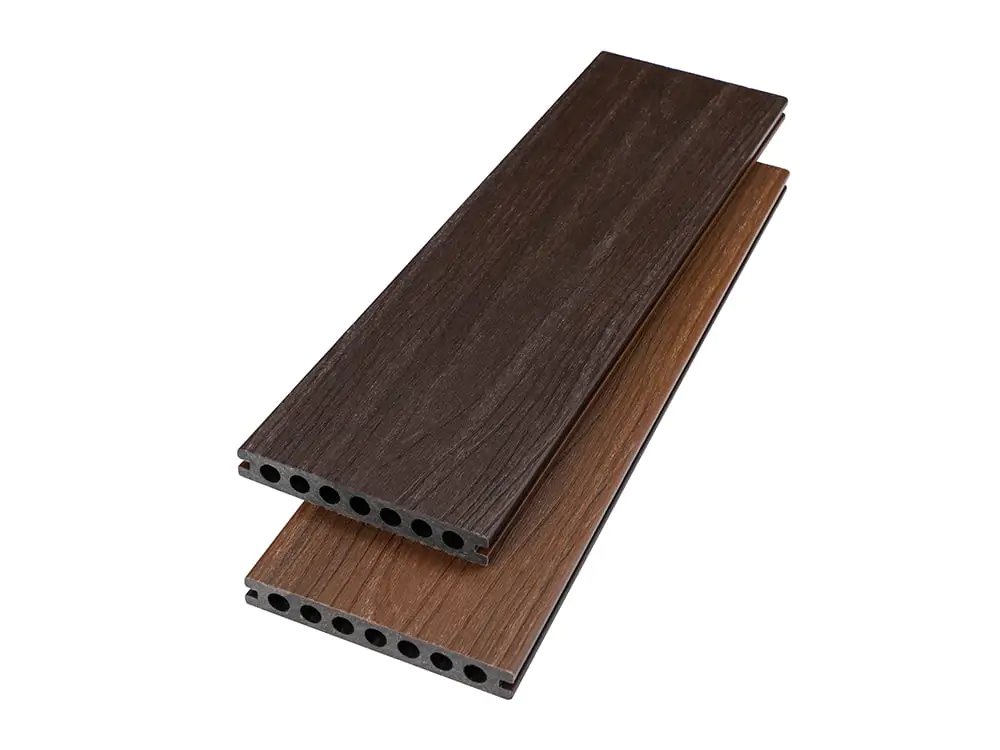
What Is WPC Waterproof Floor, Actually?
WPC stands for wood plastic composite, and the name pretty much tells you what's going on inside. Wood fiber gets blended with plastic polymer, creating something that looks and feels somewhat like natural wood but behaves very differently once exposed to moisture, sun, and temperature swings.
That blend is exactly why WPC Waterproof Floors perform the way they do outdoors. The plastic component seals the wood fibers away from direct water exposure, which means the material doesn't swell, rot, or splinter the way untreated wood eventually does when left outside season after season.
Does That Actually Make It Waterproof, or Just Water Resistant?
This distinction matters more than people initially assume. True waterproof performance means water sitting on the surface doesn't penetrate into the core material at all, and that's largely what happens with properly manufactured WPC panels. Compare that to painted or sealed wood, where the surface treatment eventually wears thin and water finds its way in regardless of how careful the original installation was.
Why Outdoor Living Spaces Specifically Benefit
Patios, decks, and poolside walkways face conditions that indoor flooring never has to deal with. Constant sun exposure, sudden rain, freeze thaw cycles depending on climate, foot traffic in wet shoes, all of it adds up over time.
A few specific advantages explain why WPC keeps getting chosen for these spaces rather than traditional wood or basic composite alternatives.
- Resistance to moisture absorption prevents warping and swelling
- UV stabilized formulations reduce fading from prolonged sun exposure
- Rot and decay resistance outperforms untreated natural wood significantly
- Lower long term maintenance compared to staining or sealing routines
- Dimensional stability across temperature swings common in outdoor settings
Combined together, these qualities create flooring that handles outdoor exposure with less ongoing maintenance, supporting a more convenient outdoor living experience.
How This Compares to PVC Patio Flooring
Here's where buyers often get stuck weighing two similar sounding options. PVC patio flooring shares some surface level similarities with WPC, both resist water reasonably well, both avoid the rot issues plaguing natural wood, but the underlying composition and long term behavior differ in ways worth understanding before committing to either.
PVC tends to be a purely synthetic product, meaning it skips the wood fiber component entirely. That can mean slightly different flex characteristics and sometimes a more plastic feeling underfoot compared to WPC, which retains some of the visual warmth and texture people associate with natural wood surfaces.
So Which One Actually Wins for Outdoor Use?
Depends on priorities, honestly. If appearance matters and homeowners want something that reads as more natural underfoot, WPC generally edges ahead. If budget constraints favor a more economical synthetic option, standard PVC flooring may be a suitable choice, though buyers should consider the related aesthetic differences.
A Side by Side Look at Material Options
| Material Type | Water Performance | Maintenance Level | Typical Setting |
|---|---|---|---|
| WPC Waterproof Floors | Strong water resistance with a sealed core | Low; minimal upkeep required | Patios, decks, and outdoor living areas |
| PVC Patio Flooring | Good water resistance; fully synthetic | Low | Budget-conscious outdoor projects |
| Commercial SPC Flooring | Excellent dimensional stability with a rigid core | Low | Commercial interiors and high-traffic areas |
| Untreated Natural Wood | Poor water resistance without regular sealing | High; frequent maintenance required | Traditional decking and older installations |
Numbers aside, this comparison mostly illustrates a pattern. Composite and synthetic options consistently reduce the maintenance burden compared to natural materials, and WPC tends to strike a middle ground between visual warmth and practical durability.
Hybrid WPC Flooring: What Changes?
Some manufacturers have pushed the base WPC formula further, blending in additional polymer layers or reinforcement to improve rigidity and wear resistance beyond standard composite panels. This hybrid approach generally targets applications facing heavier foot traffic or more demanding weather exposure than a typical residential patio would see.
Whether a project actually needs this upgraded version depends on use intensity. A quiet backyard patio rarely justifies the added cost of hybrid formulations, whereas a commercial outdoor walkway or high traffic hospitality space might benefit from the extra durability margin.
Indoor Applications Worth Knowing About Too
While this conversation centers on outdoor living, it's worth noting that related composite flooring options extend into interior spaces as well. PVC flooring bathroom and kitchen applications take advantage of similar waterproof properties, just adapted for indoor conditions rather than direct weather exposure. Office PVC flooring follows a comparable logic, prioritizing durability and easy cleaning over the specific weather resistance outdoor products need.
PVC floor tiles kitchen installations, in particular, benefit from the same core waterproof principle, moisture staying on the surface rather than soaking into the material underneath, just applied to a context where spills and cleaning frequency matter more than sun exposure.
Does SPC Flooring Fit Into This Comparison Anywhere?
It does, though mostly as an indoor alternative rather than a direct outdoor competitor. SPC flooring commercial applications lean on a rigid stone plastic composite core that handles heavy foot traffic exceptionally well, making it a common choice for retail spaces or offices rather than exposed outdoor patios. WPC and SPC flooring sometimes get compared directly, but the honest answer is they typically serve different environments rather than competing head to head for the same project.
What Buyers Should Verify Before Ordering
Sourcing composite flooring at scale involves more than picking a material category and moving forward. A few practical steps help avoid problems down the line.
- Confirm UV stabilization additives are included in the formulation
- Request samples exposed to moisture testing before committing to bulk quantities
- Verify dimensional stability specifications across temperature ranges relevant to the installation climate
- Ask whether the supplier offers consistent batch quality across large orders
Skipping these checks tends to surface as problems only after installation, which is a far more expensive place to discover a mismatch than during the sampling stage.
Sourcing From a Reliable Manufacturer
This is where the practical side of the decision lands. A China WPC flooring producer with established manufacturing experience generally offers more consistency across production runs compared to smaller operations still refining their formulation process. Buyers evaluating a WPC flooring manufacturer or WPC Flooring Supplier should look at production capacity, willingness to provide moisture and UV testing documentation, and flexibility around custom sizing or finish options.
Similarly, anyone comparing across categories, whether considering a PVC flooring factory for synthetic alternatives, PVC flooring for sale through various distributors, or wholesale SPC flooring for a commercial interior project, benefits from asking the same core questions around consistency, testing documentation, and production transparency before placing a larger order.
Bringing the Comparison to a Close
Choosing flooring for an outdoor living space ultimately comes down to balancing appearance, durability, and how much ongoing maintenance a homeowner or contractor is actually willing to take on year after year. WPC Waterproof Floors have earned their place in this conversation because they manage that balance reasonably well, resisting moisture damage and sun fading without demanding the constant sealing and staining routines that natural wood requires, while still retaining a visual warmth that fully synthetic options sometimes lack. Whether a project calls for standard WPC, a hybrid reinforced version, or an alternative like PVC or SPC depends heavily on traffic level, budget, and the specific environmental conditions a space will face over time. Zhejiang Ousikai New Material Co.,Ltd works with contractors, distributors, and property developers navigating exactly these material decisions, offering production capability across composite flooring options suited to both outdoor and indoor applications, and welcomes an inquiry from any team ready to discuss specifications for an upcoming project.

