
 English
 中文简体
中文简体 Español
WPC Flooring Replacement and Expansion Planning Guide
A flooring expansion that starts out looking simple can turn complicated fast, usually the moment someone notices the new section doesn't quite match the color or texture of what's already down. Throw a replacement zone into the same project — damaged flooring coming out, new material going in, all without tearing up the rest of the space — and what looked like a basic materials order suddenly needs real sequencing and supplier coordination behind it. Planning replacement and expansion for WPC flooring areas properly, before anything gets ordered, is what keeps a project like this from running into the batch mismatches, wasted material, and scheduling headaches that catch a lot of contractors and property owners off guard partway through.
Why Replacement and Expansion Projects Need Different Planning Than New Installation
Existing Conditions Constrain What Comes Next
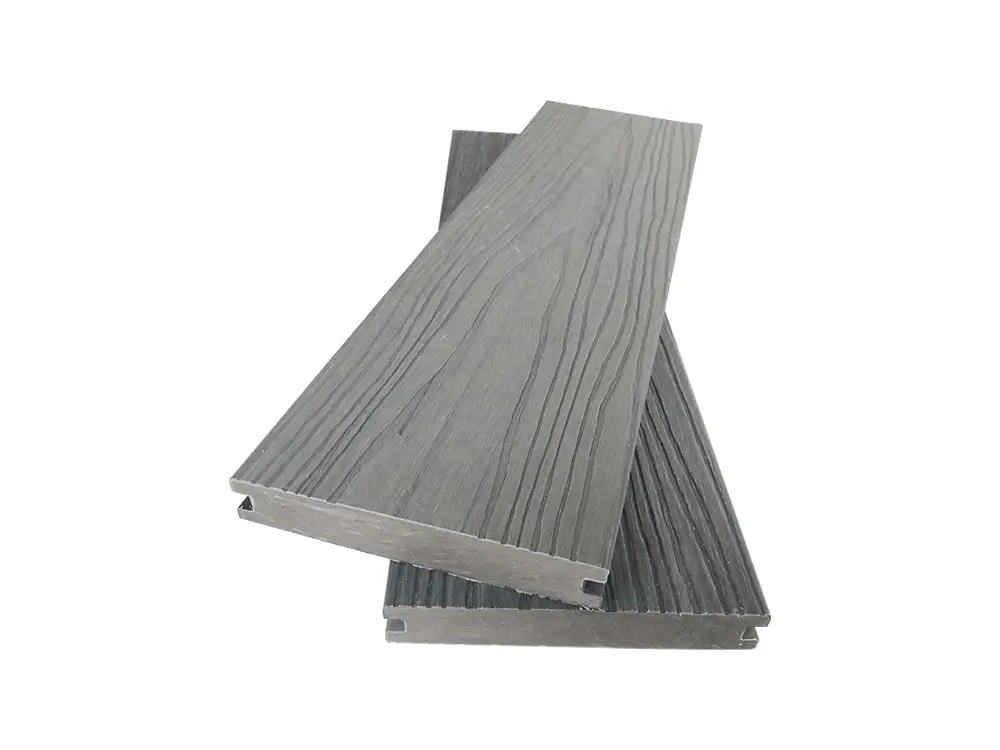
A brand new installation starts with a blank subfloor and full freedom over layout, material, and sequencing. Replacement and expansion work doesn't get that luxury. Whatever flooring is already down sets the baseline that anything new has to match or transition into cleanly, and whatever happened to the subfloor underneath over the years needs to actually be checked rather than assumed fine.
Color and Batch Consistency Becomes the Central Challenge
If there's one issue that derails more of these projects than anything else, it's color variation between production batches. WPC flooring, like manufactured flooring, can show real differences in color and surface texture between separate production runs, even when both are nominally the exact same product line. A project planned without accounting for this risk tends to end up with a visible seam between old and new sections that no amount of careful installation can fully hide afterward.
Phased Projects Introduce Timeline and Storage Considerations
Plenty of these projects don't happen all in one go. A homeowner might replace damaged flooring in one room now and plan an expansion into the next room months down the line, or a commercial operation might roll flooring out across several zones on a staggered construction schedule. That kind of phasing adds real planning complexity around material storage, batch tracking, and making sure the exact same specification is still available once the next phase actually starts.
Step One: Assess the Existing Flooring and Subfloor Condition
Document What's Currently Installed Before Planning Anything Else
Before ordering a single plank of replacement or expansion material, it's worth having a clear record of what's already there — the exact product line if it's still identifiable, the plank dimensions, the surface finish type, and any wear patterns that might point to subfloor issues hiding underneath rather than simple surface aging.
Check Subfloor Conditions in Both Replacement and Expansion Zones
- Look for moisture issues in the subfloor, especially in replacement zones where the old flooring comes up and the subfloor underneath is visible for the time in years
- Check subfloor flatness and level across both the area being replaced and any new area being added, since unevenness undermines installation quality no matter how good the flooring itself is
- Watch for structural changes since the original installation — settling, minor shifts — that could affect how cleanly new flooring meets the existing sections
- Note any existing expansion gaps or transition strips, since these often need to be worked into the new layout rather than simply ripped out and forgotten about
Identify Whether the Original Installation Method Affects Replacement Strategy
Click-lock systems and glue-down systems behave very differently once partial removal and replacement enters the picture. A click-lock floor often allows damaged sections to come out with less disruption to the surrounding planks, since the locking mechanism gives a bit more flexibility during disassembly. A glue-down installation usually takes more careful removal work, since adhesive residue and possible subfloor damage need addressing before anything new can go down properly in that zone.
Step Two: Calculate Material Needs Accurately
Measuring Both Replacement and Expansion Areas Separately
Treating a combined replacement and expansion project as one single area calculation often leads to ordering the wrong amount, since the two zones can have different waste factors, different cutting demands around existing fixtures, and different plank orientation needs depending on how the new area actually connects to the old one.
Accounting for Waste Factors Realistically
| Project Element | Typical Waste Consideration |
|---|---|
| Straightforward Rectangular Expansion | Lower waste due to a simpler cutting layout |
| Replacement Around Existing Fixtures or Transitions | Higher waste because of more irregular cuts |
| Areas with Diagonal or Pattern Layouts | Higher waste resulting from angled cutting requirements |
| Phased Projects with Storage Gaps Between Phases | Additional buffer stock recommended to account for future damage or shortages |
| Color-Matched Zones Spanning Multiple Batches | Extra material recommended to allow batch selection and discard mismatched pieces |
Ordering Extra Material as Insurance Against Future Repairs
Beyond the immediate calculation, ordering a modest surplus from the same batch used in the main installation gives a property owner or contractor a buffer for future repairs without needing to chase down a matching batch months or years later, by which point the original production run may not exist in the same specification anymore.
Step Three: Address Color and Batch Matching Directly
Why This Deserves Its Own Planning Step Rather Than an Afterthought
Color and batch matching matters enough to earn its own dedicated step rather than being something people sort out once the material has already shown up. The earlier this gets dealt with, the more options stay open for managing whatever mismatch does turn up later.
Practical Steps for Managing Batch Consistency
- Request physical samples from the current production batch before finalizing a large order, and compare them directly against the existing installed flooring rather than trusting product photos or written descriptions
- If the original specification is still identifiable, ask specifically for a same-batch or closest-available-batch order, instead of accepting whatever happens to be sitting in current stock
- For expansion projects without a tight color match requirement, consider turning the transition into a deliberate design element instead — a contrasting border or strip that makes the change look intentional rather than accidental
- Order all material for a single phase from the same production run wherever possible, even if that means waiting a little longer for enough stock from one batch to come through
When a Perfect Match Isn't Realistically Achievable
Some replacement situations, particularly when the original flooring is several years old, just won't find an exact batch match, since manufacturing processes and material sourcing shift over time even within the same product line. In these cases, planning a layout that minimizes how visible any difference actually is — placing the transition somewhere less prominent in the room, or running it along a natural boundary like a doorway threshold — tends to produce a far more satisfying result than chasing a match that simply isn't out there anymore.
Step Four: Sequence the Installation to Minimize Disruption
Should Replacement Happen Before or After Expansion Work?
For projects involving both replacement and expansion in the same general area, the sequence of work matters. Completing the replacement work before the expansion establishes a stable, finished baseline that the expansion can then be planned and cut to match, rather than working against an area that remains partly in flux. Doing the expansion before the replacement can sometimes make more sense if the replacement zone needs to be vacated for an extended stretch anyway, particularly when more complex subfloor repair is involved and benefits from extra working time without the pressure of an active installation happening directly adjacent.
Planning Around Occupied Spaces
For residential work, sequencing things so at least part of the living space stays usable throughout the project goes a long way toward reducing disruption to daily life. For commercial spaces, scheduling around business hours or planned closures avoids cutting off public or staff access mid-renovation, which carries a different and often higher cost than residential disruption ever does.
Coordinating Trades When Subfloor Repair Is Involved
Projects needing subfloor leveling, moisture remediation, or structural repair before new flooring can go down need that work sequenced with proper drying or curing time built in before installation begins. Rushing flooring onto a subfloor that hasn't fully cured creates problems that tend to surface well after everyone has already called the project finished.
How Project Scale Changes the Planning Approach
Residential Replacement and Expansion Tends to Be More Forgiving
Smaller residential projects — replacing a damaged section in one room, or expanding flooring into the room next door — generally have more flexibility around timeline and can absorb a brief disruption to one part of a home without throwing off daily life everywhere else. That flexibility means residential planning can focus mostly on getting the color match and installation quality right, without the same pressure to minimize downtime that bigger commercial jobs face constantly.
Commercial Projects Carry Higher Stakes for Disruption Management
A retail space, office floor, or hospitality venue going through replacement or expansion work faces a different calculation entirely, since every day of disruption potentially costs revenue, customer experience, or staff productivity. Commercial projects do better with more detailed sequencing, often broken into smaller zones completed one after another so only a limited part of the space is ever out of service at once, paired with closer coordination with the WPC Flooring Supplier to make sure delivery timing lines up precisely with the planned work schedule.
Multi-Phase Commercial Rollouts Need Documented Specifications
For commercial operators planning to roll the same flooring specification across several locations or phases over an extended stretch, keeping detailed documentation of the exact product specification — including any custom color or finish detail — becomes essential. That documentation is what protects against a later phase ending up with subtly different material, simply because nobody preserved the original specification clearly enough for a future order to actually replicate it.
Step Five: Plan Procurement Around Realistic Supplier Capabilities
What to Confirm Before Placing a Replacement or Expansion Order
Working with a WPC flooring manufacturer or supplier that can accommodate both the current order and any future phased orders matters for projects that extend beyond a single purchase. Confirming production batch retention policies, typical turnaround times for matching later orders, and order quantity requirements for partial batch requests all factor into whether a given supplier relationship will carry a phased project through to completion.
Why Sourcing from a Consistent Manufacturer Matters for Phased Projects
A property owner or contractor sourcing China WPC Flooring for a project spanning multiple phases benefits considerably from sticking with the same manufacturer across every phase, rather than switching suppliers between the replacement work and a later expansion. Even nominally identical specifications can vary subtly between different manufacturers' production processes, and keeping one source relationship cuts this risk down considerably compared to treating each phase as its own separate purchasing decision.
Questions Worth Asking Any Supplier Before Committing
- Can the supplier confirm the particular batch or production run that a sample represents, and will they commit to supplying the entire order from that same run?
- What time frame should be expected if a later phase requires material matching a batch that may no longer be in production?
- Does the supplier retain documentation or reference samples specifically to support future matching needs on phased projects?
- What order quantity requirements apply, and do these create difficulties for smaller replacement orders when compared with larger expansion orders within the same overall project?
Planning replacement and expansion for WPC flooring areas really comes down to treating the project as a sequence of deliberate decisions instead of one materials purchase followed by installation and hoping it all works out. Assessing existing conditions honestly, calculating material needs with realistic waste factors, treating color and batch matching as its own dedicated step, sequencing installation to minimize disruption, and choosing a supplier relationship that can actually carry the project through every phase — all of this works together to head off the kind of mismatched, wasteful, or disrupted outcome that catches unprepared projects off guard. None of it requires specialized expertise beyond careful attention and realistic expectations about what batch matching and phased sourcing can actually deliver in practice. Zhejiang Ousikai New Material Co.,Ltd supports contractors, designers, and property owners working through exactly this kind of phased flooring project, offering consistent production specifications and the kind of supplier coordination that makes replacement and expansion planning considerably more manageable from the measurement through the final phase of installation.

