 English
 中文简体
中文简体 Español
PVC Flooring Advantages for Modern Homes & Offices
PVC flooring has become a go-to choice for many different kinds of spaces, from regular homes to busy offices and public buildings. It manages to tackle a lot of the usual problems that come up with other types of floors while making everyday life and upkeep feel much simpler.
Superior Waterproof Performance and Moisture Management
Water tends to cause trouble for floors in just about any place people live or work. With PVC flooring the way it' s put together means water mostly stays on top instead of soaking in. Everyday spills, mop water, or little accidents don' t usually cause to the kind of swelling, buckling, or peeling apart that shows up so often with wooden floors or certain stone surfaces. Rooms that naturally stay damp—like bathrooms, laundry spaces, lower-level areas, or places where cooking happens—hold up much better over the years. The chance of mold showing up drops quite a bit, and the floor underneath stays stronger for longer. Normal cleaning with water stops being something to worry about; things dry out fast and there' s rarely any lasting harm. Even when the air stays humid for weeks or a sudden leak happens, the material tends to keep doing its job without falling apart, which makes it a sensible pick in places where weather or occasional water issues are just part of life.
Impressive Sound Absorption and Noise Reduction Qualities
Lots of hard floors turn every footstep, chair scrape, or dropped object into something that bounces around the room and makes everything feel louder and harsher. PVC flooring handles those sounds in a different way because of how it' s built with a bit of give and several layers working together. A good amount of the noise from walking or things hitting the floor gets soaked up rather than sent echoing back or traveling through to the space below. The whole room ends up feeling calmer and less echoey, especially in spots where people need quiet to think, relax, or talk without raising their voices. Think school rooms, reading areas, home workspaces, waiting zones, or apartments stacked on top of each other—the background noise level drops noticeably. People can speak at normal volumes, watch shows or listen to music without cranking things up, and regular movement doesn' t disturb others as much. That quieter feel makes spending long stretches of time in the space a lot more pleasant and less tiring on the ears and nerves.
Effective Antibacterial Surface Treatment
Keeping things clean matters more and more in places everyone shares or where lots of feet pass through every day. Many versions of PVC flooring come with a surface that has been treated in a way that makes it harder for bacteria to grow and spread. Those treatments keep working quietly in the background, cutting down on how much those tiny organisms can multiply on the floor itself. In places like medical buildings, rooms for young children, areas where food gets handled, or workout facilities, this extra help means things stay cleaner between the usual deep cleaning times. A quick sweep or wipe takes care of what you can see, while the surface treatment quietly keeps working against what you can' t. Together they lighten the load on regular cleaning schedules and leave the space feeling fresher and more sanitary for longer stretches.
Comparison of Core Functional Benefits
| Benefit | How It Works | Best For | Main Gain |
|---|---|---|---|
| Water Resistance | Repels water, handles humidity | Bathrooms, kitchens, basements | No mold or warping |
| Sound Absorption | Quiets footsteps and impacts | Bedrooms, offices, apartments | Calmer, quieter room |
| Antibacterial | Limits germ growth on surface | Hospitals, nurseries, gyms | Easier to keep clean |
| Seamless Look | Almost no visible joints | Big open areas, hallways, showrooms | Cleaner, smoother appearance |
| Easy to Cut & Design | Simple to shape and mix colors | Shops, creative rooms, custom homes | More creative freedom |
| Low Maintenance | Quick sweep or mop | Busy homes, stores, hallways | Less cleaning effort |
Near-Invisible Seams and Professional Seamless Finishes
What really catches the eye with PVC flooring is how it manages to turn big open floors into one smooth, unbroken stretch. When installers handle sheet versions the right way, the edges come together so closely that you can stand back a normal distance and barely spot any lines at all. For the rolled-up kind of material, there's this heat-welding approach that melts the edges together perfectly, giving everything a single, solid look with nothing in between to trap dust, crumbs, or grime. That kind of clean finish works wonders in wide spaces like entry lobbies, store showrooms, office layouts that spread out, or long hallways in medical buildings. The whole area starts to feel bigger and more open because nothing breaks up the view, and cleaning becomes a lot simpler since there aren't those little grooves where dirt loves to hide. Without obvious seams cutting across the surface, the floor doesn't end up looking chopped into pieces like you sometimes see with smaller tiles or narrow planks that create a busy, patchwork effect. Instead, everything flows together naturally, making the room seem calmer and more put-together right from the start. People walking through notice the difference without even thinking about why—it just feels more polished and intentional overall.
Flexible Cutting and Straightforward Creative Customization
One thing that keeps coming up as a real plus is how easy it is to work with during setup. You can grab a regular utility knife and trim pieces to fit snugly around door frames, pipes, built-in cabinets, odd angles, or any quirky shape the room throws at you. That kind of straightforward cutting means less waste and fewer headaches when dealing with non-standard layouts. On top of that, mixing different shades, wood-like grains, stone mimics, or subtle textures in the same space opens the door to all sorts of ideas. You might mark off a cozy reading nook with one pattern, outline a play area with contrasting borders, add a simple accent strip to guide traffic flow, or go all out with a custom mosaic-style design that reflects personal taste. What would take major effort and extra cost with rigid hardwood, ceramic, or laminate suddenly becomes doable on a practical level. Folks who care about interiors—whether they're homeowners tweaking their living room or professionals shaping commercial environments—find this kind of freedom lets them treat the floor as more than just a background. It turns into something that actively contributes to the mood and purpose of the space, adding character without needing complicated tools or expert help every step of the way.
Minimal Effort Required for Routine Upkeep
Keeping the floor looking decent day to day doesn't demand much time or special tricks. A quick pass with a broom or vacuum picks up loose particles without any fuss, and if something sticky or tracked-in shows up, a damp mop with plain cleaner usually handles it in minutes. Tougher spots from shoes, spills, or everyday marks tend to lift away easily rather than digging in deep. The surface itself doesn't let liquids soak through quickly, so wiping things up right away almost always stops any permanent marks from setting in. There's no need to drag out sealers every few months, apply wax layers, or sand and recoat like some other floors require over time. That predictable, low-key routine saves a lot of hassle, especially in homes where people are constantly coming and going, shops with steady customer traffic, or larger buildings where maintenance teams have plenty of ground to cover without endless hours spent on floors alone. The whole process stays simple enough that it fits into regular cleaning without becoming a chore, leaving more energy for everything else that needs attention around the place.
Robust Resistance to Everyday Wear and Tear
Life puts floors through constant testing—kids running around, chairs scooting back and forth, heavy shopping carts rolling over, furniture getting shifted, pets pacing the same paths day after day. PVC flooring holds its own against all that without showing dramatic wear right away. The top layer is built tough enough that light scratches stay surface-level and don't deepen quickly, while actual dents only appear after really heavy, repeated pressure. Abrasion from shoes or dragged items builds up slowly instead of happening in big, obvious patches. In busy spots like main hallways, store walkways, or family gathering rooms, the surface keeps looking fairly smooth and consistent even after years of steady use. That staying power means you don't have to stare at worn-out trails or faded zones that make the whole room feel tired prematurely. Repairs or full replacements stay further off in the future, which keeps things looking fresh longer and cuts down on unexpected expenses or disruptions when something finally does need attention.
Dimensional Stability Through Temperature and Humidity Changes
Nothing frustrates more than watching a floor start to gap, lift at the edges, or develop waves every time the weather shifts or the thermostat gets adjusted. PVC flooring tends to stay put through those changes much better than many alternatives. Small ups and downs in room temperature or the amount of moisture in the air cause almost no noticeable shifting, so joints remain snug and the overall surface stays flat without much drama. That steady behavior makes planning and laying the floor more straightforward from the beginning, and it cuts way back on those annoying follow-up visits to fix seasonal issues. Places that deal with big swings between summer heat and winter chill, or rooms where heating and air conditioning don't run evenly, see the biggest difference. The material just doesn't react strongly enough to create problems, which keeps everything looking neat and functioning properly no matter what the indoor climate does over the course of a year.
Retention of Original Color and Pattern Over Time
Bright sunlight pouring through windows, overhead lights running for hours, or just the steady rub of daily foot traffic can wash out colors and blur patterns on plenty of floors long before you'd expect. PVC flooring usually has built-in protection that helps hold onto the original look much longer. Shades stay close to what they were on day one, even in sunny rooms or under constant artificial lighting. Patterns don't fade into vague patches or lose their sharpness around high-traffic paths. That lasting vibrancy keeps the decorative side of the floor working as intended instead of turning dull and mismatched. Rooms continue to feel put-together and inviting without that gradual aging effect pulling everything down visually. The design choices made at the start—whether subtle neutrals or bolder statements—keep delivering the same impact years later, avoiding the need for early refreshes just to combat fading or uneven wear from light exposure.
Improved Slip Resistance in Wet or High-Traffic Areas
Safety always takes center stage in places where water meets smooth shoes or where people are constantly moving back and forth. Plenty of PVC flooring comes with surfaces that have a bit of texture built right in, so even when things get slightly damp from a spill or tracked-in moisture, feet still find solid grip instead of sliding around. That extra hold makes a real difference compared to those super-smooth, shiny finishes that turn risky the moment anything wet hits them. Think about entryways where rain drips off coats and boots, kitchens during meal prep when water splashes, bathrooms after showers, or busy commercial lobbies full of hurried visitors—these spots all feel noticeably safer. The nice part is that the added traction doesn't make cleaning harder or change how the floor looks from a distance. You can still mop or wipe without extra effort, and the surface stays presentable. It strikes a practical balance that works well in real life, where people want both protection against slips and something that doesn't demand constant special care just to stay clean. In homes with kids running through or businesses with steady foot traffic, that kind of thoughtful design helps prevent little accidents from turning into bigger problems, giving everyone a bit more peace of mind while they go about their day.
Reasonable Environmental Considerations and Recyclability Potential
These days a lot more folks think twice about what kind of footprint their purchases leave behind, and picking out flooring definitely fits into that bigger discussion. Some PVC flooring lines quietly work recycled stuff right into the manufacturing step, so they're not always pulling fresh raw materials from the ground every single time. That small shift alone eases up on how much new resource gets used up. Then, down the road when the floor has done its job for years and it's time to swap it out, certain kinds can actually get gathered up and fed back into a reprocessing loop rather than just getting dumped in a landfill somewhere. Sure, it isn't true for every single product out there—some still end up in the regular trash stream—but the fact that recycling or responsible handling is even an option for a bunch of them feels like real progress when you stack it against materials built for throwaway use only.
That kind of setup ends up meaning something to the people making decisions. A homeowner giving their living room a fresh look, a contractor putting together a new build, or someone managing a bigger commercial property or school or office complex—they all sleep a little easier knowing the floor they put down doesn't have to become permanent waste the minute it's worn out. It isn't some magic fix that solves everything overnight, and nobody's claiming it's flawless, but it does give a practical way to lean a bit greener without throwing out all the everyday usefulness that made PVC appealing originally. You still get the tough surface, the easy cleaning, the quiet underfoot feel, and all the rest, yet there's this extra layer where you're not completely ignoring what happens after the floor leaves your space.
As more people get used to sorting recyclables at home, asking about take-back programs, or just generally trying to waste less, options that at least point in that direction start looking pretty reasonable. It lets everyday choices line up a little better with the wider push to use resources more carefully and keep landfills from filling up faster than they need to. In the end, it's one of those quiet advantages that doesn't shout about itself but quietly makes the whole package feel more thoughtful when you're weighing what to put under your feet for the next decade or so.
Favorable Cost-to-Longevity Ratio
When you look at what you pay upfront against how long the floor actually lasts, PVC flooring often lands in a sweet spot that feels reasonable. The starting cost doesn't usually swing wildly high, especially when you factor in the years of service it tends to provide. With strong resistance to normal wear, very little need for ongoing pampering, and the ability to shrug off many common kinds of damage, the overall expense across time stays lower than it might with alternatives that break down sooner or demand frequent attention. Fewer trips for repairs, no rush to replace worn sections, and shorter cleaning routines add up to meaningful savings, particularly in bigger homes, retail spaces, or offices where the floor sees heavy daily action. People managing budgets—whether for a single room refresh or a whole building update—appreciate that the money spent keeps working for them instead of disappearing quickly into maintenance or early replacement. It creates a sense of reliability that extends beyond the initial purchase, making the flooring feel like a smart, forward-looking investment rather than something that drains resources repeatedly. In everyday scenarios, that kind of lasting value helps keep things running smoothly without constant worry about when the next big expense might show up.
Speed and Simplicity of Installation Process
Projects move along much faster when the flooring goes down without dragging on forever. A lot of PVC formats need only basic prep work—mostly just making sure the subfloor sits level and stays clean—before installation can start. Once everything's ready, coverage spreads across the area at a good pace, letting rooms or entire levels come back into use quicker than with methods that involve lots of cutting, gluing individual pieces, or waiting for things to cure. That shorter timeline proves especially helpful in places already occupied, like homes with families living there, shops that need to stay open, or offices where people can't afford long interruptions. Minimal downtime means less disruption to routines, fewer workarounds for displaced activities, and a quicker return to normal life or business flow. Installers often find the material straightforward to handle too, which keeps labor straightforward and helps schedules stay on track. Whether it's a small update or a larger-scale job, the overall process feels less complicated and more predictable, giving everyone involved a smoother experience from start to finish.
Wide Variety of Aesthetic Options
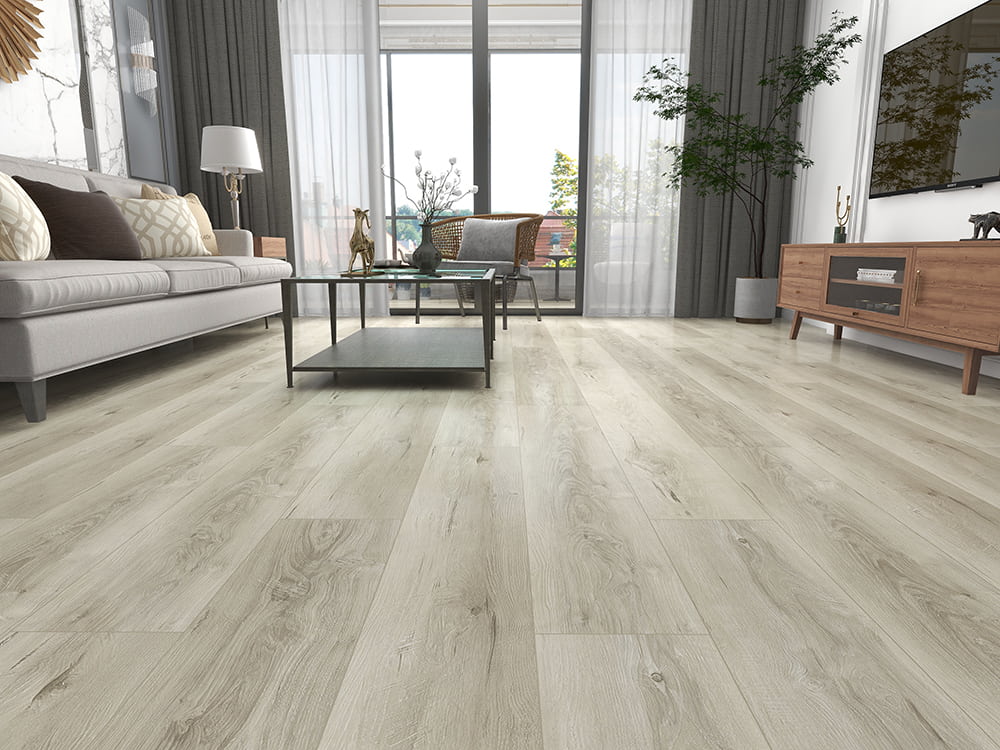
The range of looks available covers just about any direction someone might want to take a space. There are soft, quiet neutrals that sit calmly in the background, realistic wood grains that bring warmth without the upkeep of real timber, stone-like patterns that suggest natural materials, abstract designs for a modern edge, and textured finishes that add subtle interest. This broad selection lets the flooring blend in smoothly with whatever else is going on in the room or stand out as a deliberate feature when that's the goal. Matching existing furniture, picking up on current styles, or creating something timeless all become easier because the choices are so varied. People can refresh a tired room without starting from scratch, update a commercial area to feel fresh, or build a completely new look that feels personal rather than off-the-shelf. The flooring stops being just a practical layer and starts contributing to the overall mood and character of the interior, whether the vibe is cozy and relaxed or sleek and professional. That flexibility keeps things interesting and adaptable as tastes or needs change over time.
Underfoot Comfort and Warmth Retention
Standing or walking around for a while feels noticeably kinder on a surface that has a little give instead of being rock-hard. PVC flooring offers that gentle cushioning that takes some pressure off feet and legs compared to completely stiff options. It also holds onto a bit of warmth rather than feeling cold underfoot right away, which makes a difference during cooler weather when bare feet or thin socks meet the floor. Those small comforts add up during daily routines—cooking in the kitchen, working at a standing desk, waiting in line at a store, or simply moving through a home. The difference isn't dramatic, but it makes prolonged time on the surface more pleasant and less tiring. In places where people spend hours on their feet, whether at home or in public settings, that subtle support improves the overall experience without anyone having to think about it too much. It quietly enhances comfort in ways that rigid floors often overlook.
Contribution to Indoor Air Quality and Low Odor Profile
Newer ways of making the material keep emissions very low both during setup and afterward. Freshly installed floors give off almost no noticeable smell, and whatever faint trace might appear fades away quickly. That clean profile helps maintain better air inside, which matters a lot for anyone who reacts to strong scents, young children spending time on the floor, or people dealing with breathing sensitivities. The indoor environment stays comfortable and unaffected in a lasting way, without lingering issues that sometimes come with other surfaces. Day-to-day use doesn't introduce ongoing odors or concerns, so the space continues feeling fresh and healthy over the long haul.
Ease of Repair for Localized Damage
Small mishaps like scuffs from dragging furniture, minor cuts, or accidental burns don't always mean tearing up the whole floor. Matching pieces or patches can go in quietly, blending back in without drawing attention or leaving obvious marks. That straightforward fixability keeps the surface looking good longer and extends how long everything stays usable before any major work becomes necessary. The approach saves time, effort, and expense while preserving the clean, even appearance people expect.
A Reliable Choice for Modern Flooring Needs
PVC flooring keeps proving itself as something you can count on when you need a surface that actually works in real life. It handles water without complaint, quiets down footsteps and echoes, stays cleaner on the hygiene side, looks smooth and continuous once it's down, and doesn't ask for a ton of upkeep to stay nice. Whether it's a family kitchen getting constant traffic, an office with people coming and going all day, or bigger institutional spaces that see heavy use, this material holds up without making you babysit it constantly. You end up spending less time thinking about floor problems and more time just using the room the way you want. With so much focus these days on things like lasting longer, staying sanitary, feeling comfortable underfoot, and not costing a fortune over time, PVC keeps fitting right into what people are looking for. It adjusts well as needs change—whether that's stricter rules around cleanliness, tighter budgets, or just wanting something that feels modern without being fussy.
If you're curious about solid PVC flooring options put together with care and aimed at real-world use, Ousikai puts out a variety that tries to hit that balance between working well and looking good. Their focus stays on making stuff that's dependable and practical while still giving you nice choices for different spaces. You can check out what they have, see the different styles, and get more details straight from their site at https://www.pvcfloortile.com/.