
 English
 中文简体
中文简体 Español
Why WPC Flooring Creates a More Comfortable Walking Surface
WPC stands for Wood Plastic Composite. The name describes the core layer, which combines wood fiber or wood powder with plastic polymers. This mixture creates a rigid but slightly flexible board. Definition of WPC flooring: a multi‑layer engineered floor covering with a composite core that contains wood and plastic materials. Unlike solid vinyl or stone composite floors, the WPC core has a cellular structure. Tiny air pockets within the core give the material some compressibility. Layer structure includes a wear layer on top. This clear coating resists scratches and stains. Below the wear layer sits the decorative layer, which carries the printed wood grain or stone pattern. Under the decorative layer comes the WPC core, which is the thickest part of the product. A backing layer at the bottom provides stability and a small amount of cushion. Difference between WPC flooring and traditional vinyl flooring: traditional vinyl often uses a thinner, denser core with less air content. It bends but does not compress. WPC has more thickness and a foam‑like internal structure. The difference becomes noticeable within minutes of standing on each material. Role of foam‑like core in comfort performance: when a person steps on a WPC floor, the core compresses slightly under body weight. That compression absorbs some of the impact force. Less force travels back into the joints of the foot, knee, and hip. This effect repeats with every step. Why it is widely used in residential interiors: homes need warmth and quiet. WPC floors feel less cold than tile or stone. They reduce footstep noise. They allow furniture to sit without leaving permanent dents. These qualities make WPC a common choice for living rooms, bedrooms, and home offices.
Why WPC Flooring Feels More Comfortable Underfoot
Comfort is not a feeling. It is a physical response to how a material distributes force. The flooring distributes force differently than hard surfaces. Cushioning effect of WPC core layer: the air pockets inside the core act like small springs. They collapse a little under pressure and return to shape when the pressure releases. A hard floor like ceramic tile has no such feature. A person standing on tile feels the full force of body weight concentrated on a small area of the foot.
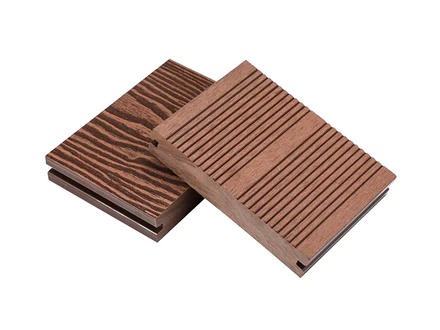
Reduced impact force when walking: each step sends a shock wave up the leg. A hard floor reflects that wave back toward the walker. A WPC floor absorbs part of the wave. Over a full day of walking or standing, the accumulated difference in force matters. People report less foot fatigue at the end of the day.
Elastic response compared to rigid flooring: elastic materials return energy slowly. Rigid materials return energy quickly. A quick return feels like a bounce or a hard impact. A slow return feels like a gentle give. WPC provides a slow, gentle elastic response that the body interprets as comfort.
Long‑term fatigue reduction in walking and standing environments: a person working in a home office or a kitchen may stand for hours. The body tolerates a soft surface longer than a hard surface. WPC reduces the micro‑impacts that cause muscle soreness in the lower back and legs.
Sound dampening effect and acoustic comfort: a floor that absorbs impact noise sounds quieter. Dropped objects make a dull thud instead of a sharp crack. Footsteps do not echo across a room. The same core structure that cushions walking also absorbs sound energy.
Temperature neutrality compared to stone‑like surfaces: stone, tile, and some rigid composites feel cold because they conduct heat away from the foot quickly. WPC contains air pockets that slow heat transfer. The surface stays closer to room temperature. A warm floor feels more comfortable than a cold one, regardless of cushioning.
WPC vs SPC Flooring — Comfort, Strength, and Application Differences
WPC and SPC are often compared. Both are rigid core floors. Both work in residential settings. Their differences matter for comfort.
Structural differences between WPC and SPC: WPC uses a core made of wood fiber and plastic. The core contains air pockets. SPC uses a core made of stone powder and plastic. The SPC core is dense and contains very few air pockets. SPC is heavier per square meter than WPC.
Comfort vs rigidity trade‑off: WPC gives more underfoot because of its air content. SPC gives almost no compression. A person walking on WPC feels a slight give. A person walking on SPC feels a hard surface similar to tile but without the coldness. WPC wins for comfort. SPC wins for indentation resistance.
Stability differences in temperature variation: WPC contains wood fiber, which can expand and contract with temperature changes. SPC contains stone powder, which moves very little. In rooms with wide temperature swings, SPC remains more stable. In climate‑controlled homes, WPC performs without problems.
Acoustic performance comparison: the air pockets in WPC absorb more sound than the dense SPC core. WPC floors produce less footfall noise. SPC floors produce more echo. For apartments or multi‑story buildings, WPC offers better noise reduction.
Ideal usage environments for each material: WPC suits bedrooms, living rooms, home offices, and any space where people stand or walk for long periods. SPC suits entryways, mudrooms, commercial spaces, and areas where heavy furniture or equipment might dent a softer floor.
Residential vs commercial suitability: homes can use WPC broadly because the softer surface supports daily living. Commercial spaces with rolling carts, high heels, and constant foot traffic benefit from SPC durability. A hotel guest room might use WPC for guest comfort. A hotel lobby might use SPC for durability.
| Feature | WPC Flooring | SPC Flooring |
|---|---|---|
| Core composition | Wood fiber + plastic | Stone powder + plastic |
| Air content inside core | Noticeable air pockets | Very few or no air pockets |
| Comfort underfoot | Softer, more cushion | Firm, little give |
| Impact noise reduction | Good | Moderate |
| Dimensional stability | Moderate in temperature swings | Very stable |
| Recommended spaces | Bedrooms, living rooms, home offices | Entryways, commercial, high-traffic areas |
Best Application Scenarios for WPC Flooring
Not every room needs the same floor. WPC performs better in some spaces than others.
Residential bedrooms and living rooms: people spend hours in these rooms standing, walking, and sitting. A comfortable floor reduces fatigue. WPC also feels warmer than tile during colder months. The softer surface accepts area rugs without creating uneven edges.
Apartments and multi‑family housing: noise travels between floors. A WPC floor with an attached pad reduces impact noise. Neighbors below hear fewer footsteps. The cushioning also protects the subfloor from damage over time.
Hotels and hospitality environments: a guest walking barefoot in a hotel room notices floor comfort. A hard floor feels cold and unwelcoming. A WPC floor feels like a deliberate design choice for comfort. Hotel owners also appreciate the sound reduction between rooms.
Light commercial spaces: small boutiques, design studios, and professional offices benefit from the warm appearance and comfortable walking surface. Employees who stand at counters or walk between workstations experience less foot fatigue at the end of the day.
Renovation projects over existing floors: WPC can be installed over many existing floors without removal. The slight flexibility of the core allows it to bridge small imperfections in the old floor. The cushioning layer also masks some unevenness that would be noticeable on a rigid floor.
Interior design projects requiring comfort priority: a designer working with clients who have joint issues or standing jobs prioritizes floor comfort. WPC offers a balance of appearance, durability, and walking comfort that many clients appreciate.
Why Choosing the Right WPC Flooring Manufacturer Matters
The material science only works when the factory executes correctly. A poorly made WPC floor has the same problems as any cheap floor.
Manufacturing consistency and core density control: the WPC core must have consistent air distribution throughout the sheet. Too many air pockets in one area and the floor compresses unevenly. Too few air pockets and the comfort advantage disappears. A good factory controls mixing, extrusion temperature, and cooling rates to achieve even density.
Impact of production quality on comfort performance: a floor with inconsistent core density feels different from one area to another. The owner notices soft spots and hard spots. That inconsistency leads to complaints. The cause is not the material type but the manufacturing quality.
Importance of stable raw material sourcing: wood fiber quality varies. Plastic polymer quality varies. A factory that changes suppliers without adjusting the formula produces inconsistent results. A reliable WPC Flooring Manufacturer sources raw materials from stable suppliers and verifies each batch before production.
Differences between factory‑grade and trading companies: a factory that actually makes WPC flooring controls every step of production. A trading company buys finished product from unknown factories. Quality from a trading company is unpredictable. Buyers seeking consistent comfort should work directly with manufacturers.
Why OEM and ODM capability matters for brands: a brand selling WPC flooring under its own name needs consistent product across years. A manufacturer with in‑house design and tooling can reproduce the same product repeatedly. A trading company cannot guarantee the same factory will produce the same product next year.
Long‑term supply reliability considerations: a project may need additional material for repairs or expansions years later. A manufacturer that maintains production records and continues to run the same formulas can provide matching product. A manufacturer that changes processes frequently cannot.
What to Consider When Sourcing China WPC Flooring
China has become a major production base for WPC flooring. The supply chain offers advantages, but not every factory produces the same quality.
Advantages of China WPC Flooring supply chain: raw materials for WPC cores are widely available in China. The manufacturing infrastructure supports high volume. Many factories specialize in export, so they understand packaging, labeling, and documentation requirements for overseas buyers.
OEM customization capabilities: Chinese manufacturers often offer extensive customization. A buyer can request specific wear layer thicknesses, core densities, decorative patterns, and click profiles. The ability to customize allows a brand to differentiate its product. However, customization also requires clear communication of specifications.
Quality control variability among suppliers: some factories test every batch for density, thickness, and locking strength. Others only spot check. A buyer sourcing from China must verify which quality control system the factory uses. A factory that cannot describe its testing process likely has weak quality control.
Communication and specification alignment: language barriers and varying technical standards may cause misunderstandings. A buyer requesting "thick wear layer" may receive a different specification than intended. Written specifications with exact measurements and third‑party verification help align expectations.
Packaging and export readiness: a factory that regularly exports knows how to palletize, shrink‑wrap, and label cartons for ocean freight. A factory without export experience may use weak packaging that allows moisture damage. Export‑ready packaging includes corner protectors, stretch wrap, and desiccants as needed.
Factory vs trading company distinction: a trading company may present a showroom full of samples from many factories. The buyer never knows which factory actually made the sample. When the order arrives, quality may differ. A factory allows direct inspection of production lines. Trading companies add a layer between buyer and manufacturer.
How to Evaluate a Reliable WPC Flooring Supplier
A checklist helps buyers compare suppliers before committing to an order. The evaluation should cover materials, production, and communication.
Checking material composition transparency: a supplier should disclose the ratio of wood fiber to plastic in the core. A higher plastic content generally increases water resistance. A higher wood fiber content may affect comfort. The supplier should also specify the type of plastic used, such as PVC or polypropylene.
Evaluating wear layer and core stability: the wear layer thickness directly affects scratch resistance. A buyer can request a sample and perform a simple scratch test with a coin or key. Core stability can be checked by placing a sample in a warm area and measuring any warping after a day.
Reviewing production consistency: ask the supplier how often they check board thickness and density during production. A consistent manufacturer measures every batch. They can provide records of recent production runs. Inconsistent manufacturers cannot produce such records.
Testing sample performance before bulk order: always request multiple samples from the same production run, not handmade prototypes. Install the samples in a space similar to the final installation environment. Walk on them. Leave them for a week. Observe any changes in fit, color, or surface.
Certification and compliance considerations: different markets require different certifications for safety, emissions, and fire resistance. A supplier should name which certifications their product holds. The buyer should verify that the supplier can provide current certificates for the specific production batch.
Communication responsiveness and engineering support: a supplier that takes days to answer technical questions will cause problems later. A good supplier assigns an engineer to discuss core density, locking systems, and installation details. Slow communication during sampling becomes slower during production.
Common Mistakes in Selecting WPC Flooring
Buyers, contractors, and distributors often repeat the same errors. Avoiding these mistakes saves money and headaches.
Choosing based only on price: a very low price often means thinner wear layers, less consistent core density, and weaker locking systems. A cheap floor may look acceptable for a short time but will show wear, dents, or seam separation within a year. The cost of replacement far exceeds the upfront savings.
Ignoring core layer density differences: two WPC floors may look identical but have very different core densities. A less dense core compresses more under weight, which sounds good for comfort. But too little density causes the locking edges to flex and break. A balanced density provides comfort without structural weakness.
Confusing WPC with SPC performance expectations: a buyer who expects SPC durability from a WPC floor will be disappointed. WPC is softer by design. It will show indentations from heavy furniture or high heels. The buyer should select WPC for comfort and SPC for dent resistance. Mixing expectations leads to complaints.
Overlooking installation environment conditions: WPC contains wood fiber. Prolonged exposure to standing water or very high humidity can cause swelling. A buyer installing WPC in a bathroom or basement without proper waterproofing risks failure. The product needs a dry environment or a waterproof core variation.
Assuming all China WPC Flooring is the same quality: some Chinese factories produce WPC flooring with tight tolerances and consistent cores. Others produce poor quality with thin wear layers and weak locks. A buyer must evaluate each factory individually. The country of origin does not determine quality.
Ignoring long‑term comfort requirements: a buyer focused only on appearance may choose a floor with a beautiful pattern but poor core structure. The pattern does not matter if the floor feels hard or cold underfoot. Comfort should drive the selection, with appearance following after.
Practical Understanding of WPC Flooring Performance
The following questions address common uncertainties about WPC flooring. Each answer draws from material science and real installation experience.
Why is WPC flooring softer than SPC flooring?
The WPC core contains air pockets created by wood fiber and a foaming agent during extrusion. SPC core uses dense stone powder with little air. Air compresses. Stone does not.
What makes WPC flooring more comfortable for long‑term walking?
The slight compression of the core under body weight absorbs impact force. Over thousands of steps, less shock travels into the joints. The difference becomes noticeable after an hour of standing.
Does WPC flooring lose its cushioning over time?
Under normal residential use, the core retains its compressibility for many years. Extreme loading or constant heavy traffic can slowly reduce the air pocket structure. But typical foot traffic does not permanently flatten the core.
Can WPC flooring be used in high‑traffic areas?
Yes, but with realistic expectations. High‑traffic residential areas like hallways or family rooms are fine. Commercial high‑traffic areas like retail stores may show wear and denting faster than SPC.
What is the main difference between WPC core and SPC core?
WPC core uses wood fiber and plastic, creating a lighter, slightly compressible board. SPC core uses stone powder and plastic, creating a heavier, rigid board with almost no compression.
How does WPC flooring reduce walking noise?
The air pockets inside the core absorb some sound energy instead of reflecting it. The backing layer also dampens vibration. Together, these features reduce footfall noise transmission.
Is WPC flooring suitable for kitchens and bathrooms?
A WPC floor with a fully waterproof core (some formulations replace wood fiber with mineral filler) works in kitchens. For bathrooms with frequent standing water, a waterproof SPC core is safer. Check the product specifications for water resistance claims.
What affects the durability of WPC flooring most?
Wear layer thickness determines scratch resistance. Core density determines dent resistance. Locking system strength determines seam stability. All three must be adequate for the intended use.
How do you know if a WPC Flooring Manufacturer is reliable?
Ask for recent test reports on core density, wear layer thickness, and locking strength. Request a factory visit or video tour. Order a sample production run before placing a large order. Reliable manufacturers welcome these steps.
Why do some WPC floors feel harder than others?
Different formulations use different ratios of plastic to wood fiber and different foaming agents. A higher plastic content and lower air volume produces a harder, denser core. Manufacturers can adjust the formula to emphasize comfort or durability.
Final Decision Guide for Choosing WPC Flooring Manufacturer
A structured approach to supplier selection reduces risk. The following guide applies to distributors, contractors, and brand owners.
Matching flooring type to project requirements: identify the primary need first. Is the project in a quiet home where comfort matters most? Choose WPC with a thicker core for more cushion. Is the project a rental property where tenants may be careless? Choose a balance of comfort and durability.
Comfort vs durability prioritization logic: for spaces where people stand or walk for hours without shoes, prioritize comfort. For spaces with rolling chairs, high heels, or pet claws, prioritize durability. The same floor cannot serve both extremes equally.
Importance of factory capability vs trading sourcing: a factory that designs and produces its own WPC core can adjust the formula. A trading company cannot change anything about the product. For a buyer seeking a specific performance characteristic, direct factory sourcing is necessary.
Long‑term performance consistency considerations: a manufacturer that uses the same raw material suppliers and maintains the same production equipment produces consistent results over years. A manufacturer that frequently changes suppliers introduces variation. Ask how long the current material sources have been used.
OEM and branding potential for distributors: a distributor who wants to sell under a private label needs a manufacturer willing to produce custom packaging and possibly custom wear layers. Not all factories offer this service. Confirm OEM capability before negotiation.
Final checklist for selecting suppliers:
- Verify core density target and actual test results
- Confirm wear layer thickness with a cross‑section cut
- Test locking system strength with a hand pull test
- Check sample for odor after unpacking
- Request shipping samples to evaluate packaging
- Ask for reference customers in similar markets
- Confirm payment terms and delivery schedule in writing
Why Comfort Starts with Material Engineering
A floor that feels comfortable underfoot does not happen by accident. The WPC core structure—wood fiber, plastic, and controlled air pockets—creates a surface that absorbs impact, reduces noise, and feels warmer than rigid alternatives. That comfort advantage makes WPC a preferred choice for homes, apartments, hotels, and any space where people stand or walk for long periods. But the material science only delivers results when a reliable manufacturer controls every production variable. Core density must be consistent across every board. Wear layer thickness must meet specifications. Locking systems must hold tight without breaking. A manufacturer that cannot maintain these standards produces a floor that looks like WPC but performs poorly.
Buyers, contractors, and distributors who understand the connection between material engineering and walking comfort make more informed sourcing decisions. They know that a very low price often hides a weaker core or a thinner wear layer. They test samples, verify factory claims, and choose partners who can deliver consistent quality across large orders. They also recognize that the right balance between comfort and durability depends on the specific project. A bedroom floor needs more cushion. An entryway floor needs more dent resistance. There is no single ideal floor, only the right floor for each space. When sourcing WPC flooring for projects that demand walking comfort combined with reliable manufacturing, Zhejiang Ousikai New Material Co.,Ltd provides material engineering and production consistency that supports both residential and light commercial applications. The right manufacturer makes the difference between a floor that merely covers a subfloor and a floor that improves how people feel in a room every single day.

