
 English
 中文简体
中文简体 Español
Where Hybrid WPC Flooring Works in Homes and Businesses
Flooring does more heavy lifting than people give it credit for. It sets the mood of a room, shapes how a space feels to move through, and quietly dictates how much time you'll spend cleaning it over the years. That's a lot riding on something people often pick last, almost as an afterthought after the paint color's already chosen. Hybrid WPC Flooring has become a go-to option across a surprisingly wide mix of spaces — partly because it doesn't force a tradeoff between looking good and actually holding up to daily use. Homes, offices, retail stores, hotels — it shows up in all of them, and for slightly different reasons each time.
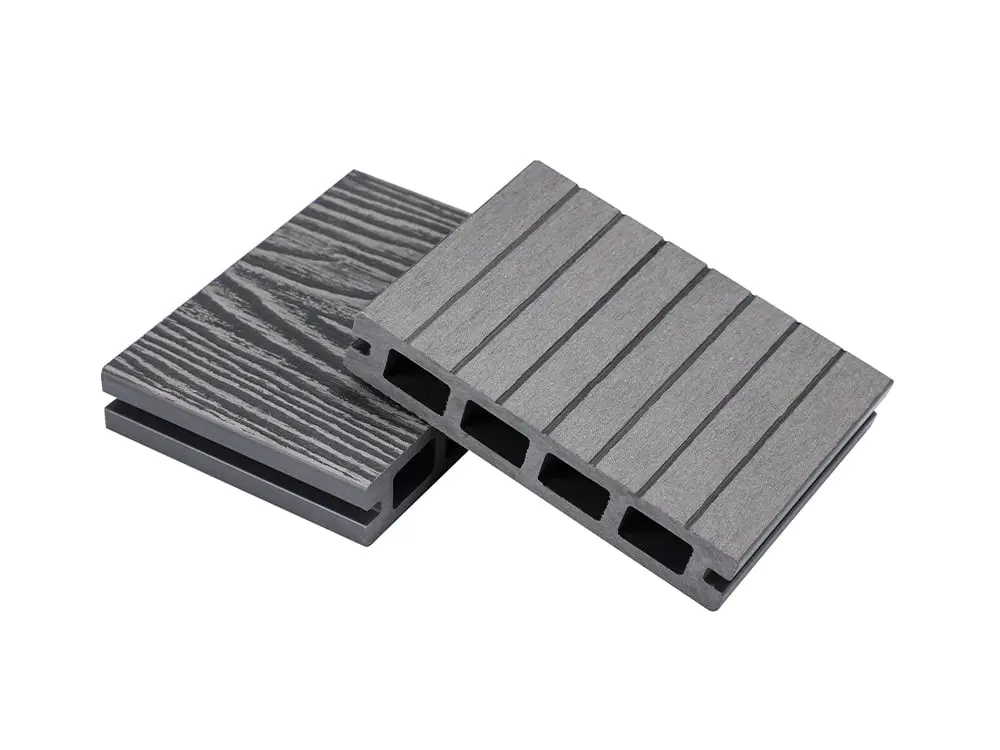
Why the Same Material Works in So Many Different Rooms
Every room asks something different of its floor. A bedroom wants comfort and atmosphere. A kitchen needs to survive spills, foot traffic, and constant cleaning. A retail store needs the floor to match the brand and not distract from the products. A workplace needs some balance between looking professional and just being practical day to day.
This flooring keeps coming up across all of those because it flexes in a few useful ways:
- A wide range of design options to match different styles
- Easy to fit into very different room types
- Simple to keep clean and maintain
- Works about equally well in homes and commercial buildings
Flooring's never just about covering the ground — it's part of how people actually experience being in a space, whether they consciously notice it or not.
How It Shows Up Around the House
Homes are where people often spend time considering flooring choices for different rooms.
Living rooms
This is usually the space where a family actually lives — gathering, hosting, relaxing. The floor needs to hold up to daily movement while still working with the furniture and lighting already in the room. Whatever the style — minimal, cozy, more traditional — the floor ends up setting a lot of the room's overall tone.
Bedrooms
Here it's less about traffic and more about mood. A lot of homeowners want something that feels warm and inviting underfoot but doesn't turn into a chore to keep clean. This flooring adapts easily enough to different bedroom styles that it's easy to keep a consistent look running through the whole house.
Kitchens
Probably the busiest room in many homes, with frequent movement, spills, grease, and regular cleaning. A kitchen floor needs to actually survive that routine while still looking coordinated with the cabinets and counters around it. That combination of durability and decent looks is exactly why it turns up in kitchens so often.
Home offices
As more people carve out a real workspace at home, the floor underneath that desk has started mattering more too. A well-chosen floor helps a home office feel less like a corner of a bedroom and more like an actual workspace — while still tying visually back into the rest of the house.
Why Commercial Spaces Reach for It Too
Commercial buildings care about a slightly different set of things — customer impressions, employee comfort, and how much upkeep the space realistically needs.
| Type of Space | What the Floor Needs to Do |
|---|---|
| Retail Stores | Match the interior design and shopping experience |
| Offices | Support a comfortable day-to-day workplace |
| Hotels | Carry through guest areas and room design |
| Restaurants | Fit the overall dining atmosphere |
| Showrooms | Present products without competing for attention |
| Service Spaces | Stay clean and organized-looking |
Same basic flooring, very different jobs — a store's using it to shape a shopping mood, an office is using it to make the workday feel a bit better, a hotel's using it to keep the guest experience consistent room to room.
How It Fits Into Retail Specifically
Retail is a visual business, and the floor plays a role in the impression customers form when they enter the space. Designers think about how it plays off product displays, lighting, wall colors, how people move through the space, and the overall brand feel.
Because it comes in different visual styles, this flooring can support pretty different retail concepts — a fashion boutique might want something refined and understated, a lifestyle shop might lean more natural and textured, and a showroom might want flooring that stays quietly in the background so the products stay the focus. Either way, it becomes part of the shopping experience rather than sitting off to the side as an afterthought.
And in Office Spaces
Office design has shifted a lot toward employee experience — it's not just desks and outlets anymore. Color, texture, and overall visual balance in a workspace genuinely affect how people feel while they're in it, and flooring plays a real part in that.
You'll see it show up across:
- Reception areas
- Meeting rooms
- Shared/open workspaces
- Private offices
- Break rooms
A reception area usually wants something that reads as polished. A meeting room benefits from something calmer. A shared workspace often wants consistency running through it so the whole floor feels like one connected environment rather than a patchwork of different areas.
What About Hotels and Hospitality Spaces?
Hospitality is where appearance and practicality really have to meet in the middle. Guests often notice small details when they enter, and the floor contributes to the overall impression whether they are aware of it or not.
Common spots include guest rooms, hallways, reception areas, dining rooms, and lounges — each with its own job. Guest rooms focus on comfort, while reception areas focus on creating a welcoming impression. Dining areas lean toward setting the right mood for a meal. The flexibility in design here is what lets one flooring category support all of those different goals at once.
Public and Shared Spaces
Community centers, schools, waiting rooms — these all deal with a lot of foot traffic from a lot of different people, and the floor needs to hold up to that while still looking put together.
| Space | Role the Floor Plays |
|---|---|
| Community Spaces | Supporting a comfortable shared environment |
| Learning Spaces | Keeping the room feeling organized |
| Waiting Areas | Simply improving the overall look |
| Service Areas | Supporting everyday activity |
What matters here depends on the specific space and how people move through it in daily use.
How to Actually Pick the Right Fit for Your Space
A home project and a commercial project rarely have the same priorities, so it's worth thinking through a few things before deciding:
What's actually happening in this room day to day? A quiet bedroom and a busy storefront need very different things from their flooring.
What's the design direction of the space? The floor should work with what's already there, not stick out as a mismatch.
How much maintenance can you realistically keep up with? Different environments get cleaned differently, and the flooring should fit that reality.
Might the space change down the line? Flexible design choices make future updates a lot less painful.
Why Thinking This Through Actually Matters
Flooring sticks around for a long time once it's in, so the decision deserves more thought than just picking whatever looks nice in a showroom photo.
Homes use it to build comfortable, livable spaces. Businesses use it to create interiors that feel professional and welcoming at the same time. Public spaces use it to keep shared areas organized and functional. The application really is the deciding factor — and once you think through how a room actually gets used, what design direction it's going for, and how it'll be maintained, picking the right flooring stops being a guessing game and starts being a pretty straightforward decision.

