
 English
 中文简体
中文简体 Español
How Buyers Compare Slip Resistance Before Buying WPC Flooring
Choosing flooring for a kitchen, entryway, or commercial space is rarely just about looks. The real concern — the one that keeps facility managers and homeowners up at night — is whether the floor will hold up when it gets wet. A beautiful surface that turns into a hazard after a spill is not a solution; it is a liability. That is exactly why slip resistance has become a primary evaluation factor, and why so many buyers are taking a closer look at WPC Flooring before committing to a purchase. Understanding how to read and compare anti-slip performance across different products is not complicated, but it does require knowing what to look for beyond the surface finish.
Slip Resistance Is a System, Not a Single Property
Here is something worth understanding early: the traction underfoot that a floor provides is not fixed. It shifts depending on surface texture, coating type, moisture level, and even cleaning frequency. A floor that feels secure in a dry bedroom may behave very differently in a wet bathroom or a high-traffic commercial corridor.
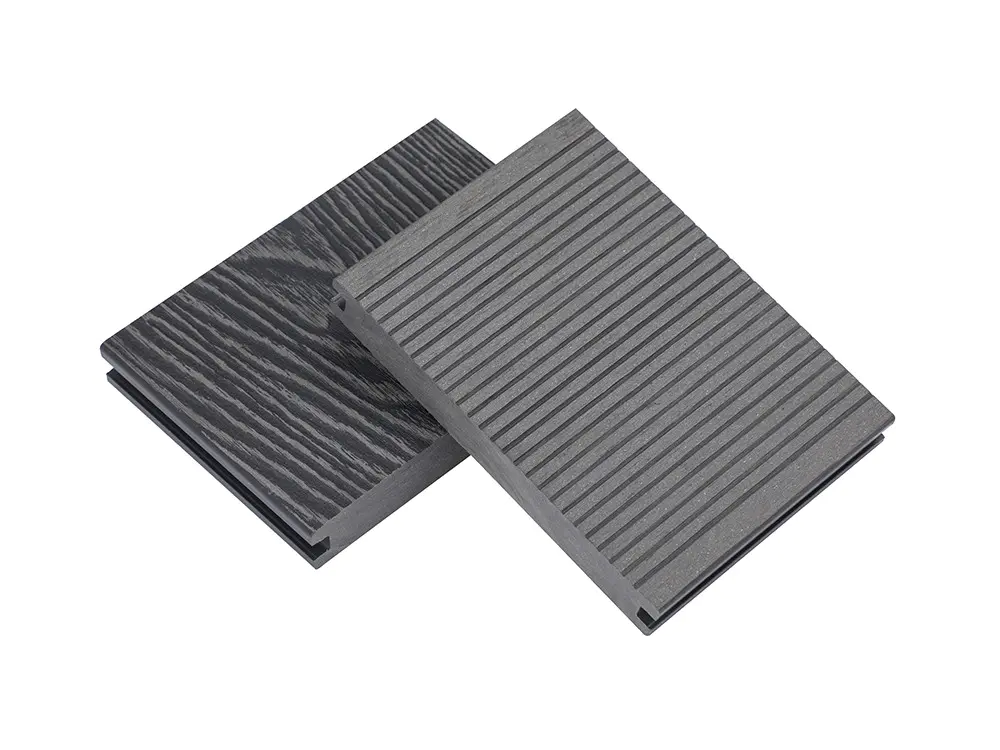
For composite flooring materials, slip resistance comes from the interaction of several factors working together:
- Surface embossing depth and pattern
- Wear layer finish (matte, satin, or high-gloss)
- Composite material density and rigidity
- Environmental conditions at the point of use
Buying decisions based on a single spec — say, just the wear layer thickness — often miss the bigger picture.
What Is COF and Why Do Buyers Use It?
The Friction Coefficient Explained
COF stands for coefficient of friction. It is a standardized way to express how much resistance a surface provides against sliding motion. A higher COF means more grip; a lower number means less. The measurement is taken under both dry and wet conditions, and the gap between those two readings can be telling.
Buyers in the flooring industry use COF ratings as a common reference point when comparing options across suppliers. For residential spaces, a dry COF well above a moderate threshold is generally acceptable. For commercial spaces, wet COF matters just as much — sometimes more — because spills, tracked-in moisture, and frequent mopping are part of daily operation.
Dry COF vs. Wet COF
These two readings often diverge considerably. A floor with strong dry grip may still present a wet-slip concern if the surface finish is smooth or glossy. The difference matters enormously in:
- Entryways exposed to rain or snow
- Kitchens where cooking oils and water mix
- Commercial spaces cleaned with detergent-based solutions
- Bathrooms and laundry rooms
Always ask for both readings. A supplier who only provides dry COF data is giving you half the picture.
How Surface Texture Drives Grip Performance
Embossing Patterns and Their Practical Effect
The wood-grain embossing on composite flooring products is not purely decorative. The raised and recessed texture creates micro-contact points across the surface — essentially, small friction zones that interrupt the sliding motion of a foot or object. Deeper embossing generally produces higher friction, especially in wet conditions where a smoother surface would allow water to act as a lubricant.
Buyers evaluating slip resistance should pay attention to:
- Embossing depth — shallow patterns wear down faster and lose texture over time
- Pattern consistency — uniform texture across the plank provides more predictable traction
- Edge-to-edge coverage — texture that extends fully to the plank edge reduces slip risk at seams
Matte vs. Glossy Finish: A Practical Comparison
Finish type has a measurable effect on friction. Glossy surfaces tend to reduce COF because light reflection often correlates with surface smoothness. Matte and satin finishes, by contrast, retain more micro-texture even after polishing.
| Surface Finish | Dry Traction | Wet Traction | Typical Application |
|---|---|---|---|
| High-gloss | Moderate | Lower | Low-traffic residential |
| Satin / semi-matte | Good | Moderate | General residential |
| Matte embossed | Good | Good | Kitchen, entryway |
| Deep-textured matte | Strong | Strong | Commercial, wet zones |
The pattern here is consistent: the more texture retained at the surface, the more reliable the grip across conditions.
Does Wear Layer Thickness Affect Slip Resistance?
Not Directly — But It Affects How Long Traction Lasts
Wear layer thickness is often discussed in the context of durability. A thicker wear layer resists scratches and physical wear from foot traffic. But there is a secondary effect that matters for slip performance: thicker wear layers retain surface texture for longer.
A thin wear layer gets ground down faster under heavy use. As the embossing erodes, the micro-friction zones shrink, and COF drops. In a busy retail environment or a home with active children, this erosion happens faster than many buyers expect.
A thicker wear layer is not a guarantee of maintained traction — surface finish still matters — but it does extend the period before texture loss becomes a safety concern.
How Does WPC Compare to Other Flooring Types for Slip Resistance?
Putting Composite Flooring in Context
Buyers often arrive at composite flooring after comparing it against alternatives: ceramic tile, hardwood, laminate, and SPC. Each has a different slip profile, and the context of use determines which trade-offs are acceptable.
- Ceramic tile (unglazed) — strong dry and wet traction, but cold underfoot and hard on joints
- Glazed ceramic tile — attractive but notoriously slippery when wet without added texture
- Laminate — generally moderate COF, affected heavily by moisture, and prone to swelling which disrupts surface evenness
- SPC (stone plastic composite) — rigid, good traction, less comfortable underfoot due to density
- WPC (wood plastic composite) — softer underfoot than SPC, good texture retention, resistant to moisture swelling
For spaces where comfort and safety need to coexist — family kitchens, elderly care facilities, school corridors — composite flooring with a textured matte wear layer offers a workable balance. It is not immune to slip conditions, but well-designed product lines perform consistently across a wider range of conditions than smooth-finish alternatives.
Room-by-Room Slip Risk: Where Does It Actually Matter?
Matching Flooring Specification to Space Function
Not every room carries the same slip risk. Understanding the risk profile of each space helps buyers prioritize the right product specification for the right location.
High slip-risk zones:
- Kitchens — water, oils, and frequent cleaning traffic combine to create sustained slip conditions
- Entryways and mudrooms — tracked-in rain, snow, and mud create intermittent but serious wet-floor events
- Bathrooms — high moisture, soap residue, and bare feet are a challenging combination
- Commercial corridors near exterior doors — high footfall from wet outdoor conditions
Moderate risk zones:
- Living rooms — lower moisture exposure, moderate traffic
- Bedrooms — dry, low-traffic, lower traction demands
- Upper-floor residential areas — generally dry environments with predictable use
Elevated commercial risk:
- Food service and hospitality spaces
- Healthcare facility corridors
- Retail entrances
Mapping the risk level of each space before selecting a product prevents the common mistake of applying a single flooring specification across areas with very different safety demands.
Maintenance Habits That Affect Slip Performance Over Time
Why Cleaning Method Matters More Than Many Buyers Realize
A floor that performs well when installed can degrade in slip resistance if maintained incorrectly. This is not a theoretical concern — it is one of the more frequent reasons that flooring performs well in lab tests but underperforms in real use environments.
Common maintenance mistakes that reduce traction:
- Using oil-based cleaning products, which leave a residue that lowers COF
- Over-waxing or applying polish not designed for composite surfaces
- Allowing cleaning solution to pool rather than drying promptly
- Ignoring early signs of biofilm or mildew growth in humid spaces
Recommended maintenance practices for sustaining traction:
- Use pH-neutral, residue-free cleaning solutions
- Clean with a damp (not wet) mop to avoid water pooling
- Rinse thoroughly after detergent use
- Inspect textured surface areas periodically for residue buildup
- Address mildew growth in wet zones promptly before it spreads
The floor itself may have strong inherent traction, but maintenance negligence can neutralize that advantage over time.
What Certifications Should Buyers Look For?
Reading Between the Lines on Product Documentation
Slip resistance claims are only as credible as the testing behind them. Buyers evaluating flooring for commercial installation or safety-sensitive residential use should ask suppliers for documentation that supports stated COF values.
Relevant testing frameworks and certifications include:
- ASTM testing standards — established protocols for measuring dry and wet COF under standardized conditions
- EN standards — commonly referenced in European commercial flooring specifications
- FloorScore certification — primarily covers indoor air quality but indicates a product has gone through third-party evaluation
- R-rating systems — used in some commercial and industrial contexts to classify slip resistance under wet conditions
When a supplier cannot produce documentation, the stated performance values should be treated as unverified claims. Strong suppliers have the paperwork to back up what is written in the product description.
Anti-Slip Treatments: Are They Necessary?
When the Base Product Is Not Enough
In some applications — particularly commercial kitchens, pool surrounds, or healthcare flooring — the slip resistance of even a well-textured flooring product may not be sufficient on its own. Anti-slip treatments can be applied as an additional layer of protection.
Common approaches include:
- Anti-slip adhesive strips — practical for specific high-risk zones like steps or transitions
- Surface coating treatments — chemical treatments that increase micro-texture without changing appearance significantly
- Rubber-backed underlayment — reduces movement and adds friction from below
These treatments are not a substitute for selecting a product with appropriate inherent traction. They work better as supplements to a solid product choice than as corrections for a poor one.
Partnering With a Supplier Who Understands Performance
Slip resistance is not a marketing claim — it is an engineering outcome shaped by material composition, surface design, and quality control at the production level. Buyers who treat it as a secondary consideration often find themselves revisiting the decision after installation. Zhejiang Ousikai New Material Co., Ltd. develops composite flooring products with surface performance as a core design parameter, not an afterthought. Their product lines are built for environments where traction consistency across wet and dry conditions is a real operational requirement. If you are evaluating flooring options for a project where slip safety matters — whether for a residential renovation, a commercial buildout, or a large-scale distribution requirement — reaching out for product specifications and testing documentation is a straightforward way to start comparing on substance rather than surface appearance alone.

