
 English
 中文简体
中文简体 Español
Can Hybrid WPC Flooring Be Installed in Bathrooms?
Standing in a bathroom showroom trying to pick out flooring is its own special kind of frustrating. Tile feels cold under bare feet on a winter morning. Real wood looks warm and inviting right up until someone mentions what happens when the shower door doesn't seal quite right. Hybrid WPC Flooring keeps coming up in these conversations because it seems to split the difference — wood-like warmth without the same panic every time water hits the floor. Whether it actually holds up in a bathroom depends on a handful of practical things: how the product is built, how well it gets installed, how the bathroom is ventilated, and how much attention someone's actually willing to give it day to day.
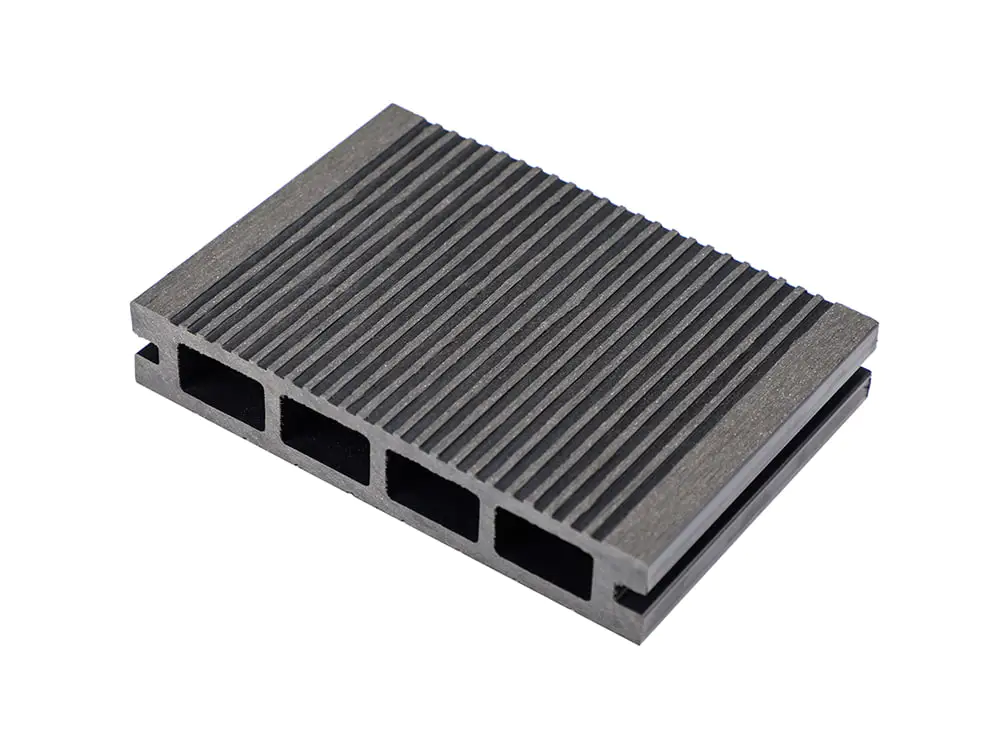
What Actually Sets Hybrid WPC Flooring Apart From Other Options?
Hybrid WPC Flooring blends a few different materials together instead of relying purely on solid timber, which changes how it responds when moisture shows up.
A lot of homeowners land on this option because they want that wood look in a room without dealing with the swelling, warping, or staining that real wood can develop after enough exposure to steam and splashes.
A few things people usually notice and like about it:
| Feature | What It Means Day to Day |
|---|---|
| Wood-style look | Gives a room a warmer feel than tile or vinyl sheets |
| Layered build | Holds up reasonably well under regular foot traffic |
| Moisture-resistant design | Handles occasional water contact without falling apart |
| Comfortable underfoot | Feels less harsh than stone or ceramic on bare feet |
That said, not every flooring product marketed with a wood look is actually built to handle a bathroom. The moisture situation in a bathroom is nothing like a bedroom or living room, so it's worth checking what a specific product is actually rated for before assuming it'll work.
Why Are People Even Considering This for Bathrooms in the First Place?
Bathrooms used to be treated as purely functional spaces — something to get in and out of quickly. That's shifted a lot. People now want their bathroom to feel like part of the rest of the house instead of some sterile add-on.
Flooring is a big part of pulling that off.
Hybrid WPC Flooring gets attention here because it can bring in some of that warmth people associate with wood, without the anxiety that comes with putting actual timber somewhere water splashes around regularly.
A bathroom throws a fair number of challenges at any flooring material:
- water splashing from the sink or shower
- humidity that shifts constantly depending on whether someone just showered
- frequent scrubbing and cleaning
- wet feet dripping across the floor after a bath
- temperature swings, especially in colder months
A floor that's going to survive in there needs to handle all of that while still looking decent enough that nobody regrets the choice a year later.
Is Hybrid WPC Flooring Actually Waterproof Enough for a Bathroom?
This is often the question people ask right away, and it makes sense — nobody wants to invest in flooring only to see it swell or change color after a short period of use.
The honest answer is that it depends a lot on the specific product and how it's put in.
Most Hybrid WPC Flooring is built with moisture in mind from the start, but that doesn't mean someone can skip proper water management just because the material itself resists water reasonably well. A bathroom floor still needs the right prep work, sealing at the edges, and careful installation to actually hold up.
A spot where water pools regularly — right in front of a shower, for instance — needs more attention than a spot that only gets the occasional splash, like near a vanity across the room.
Worth paying attention to:
- picking a product actually rated for wet areas, not just marketed with a waterproof label loosely
- making sure the seams between planks fit tightly
- keeping water from seeping underneath the flooring where it can sit unnoticed
- fixing leaks quickly instead of letting them linger
The flooring material itself is only half the equation. How it's installed and how the room around it behaves matter just as much over the long run.
Which Parts of a Bathroom Actually Work Well With This Flooring?
Not every square foot of a bathroom deals with the same amount of water.
| Bathroom Area | What to Think About |
|---|---|
| Around the vanity | Usually sees light, occasional splashing |
| Main floor area | Needs careful installation and regular upkeep |
| Guest bathroom | Often gets less daily moisture than a family bathroom |
| Right by the shower | Needs extra care since it takes direct water contact |
A bathroom with a working exhaust fan and floors that drain or dry out quickly is a much better candidate than a small, poorly ventilated bathroom where steam just hangs around after every shower.
Picking the right flooring is only part of the equation. Setting up conditions where that flooring can actually do what it's supposed to matters just as much.
What Does a Proper Installation Actually Look Like Here?
How this flooring gets installed matters just as much as the material itself, maybe more.
Even a solid product can run into trouble if whoever's laying it down skips steps meant to keep moisture out.
Before anything goes down, the subfloor needs a real check — clean, dry, and level. A subfloor with hidden dampness or an uneven surface underneath can cause problems that don't show up until months later.
During the actual install, a few things deserve real attention:
- making sure planks fit together tightly with no gaps
- properly sealing the edges, especially where flooring meets a wall or fixture
- protecting the area around toilets, tubs, and sinks where water tends to collect
- keeping the work area clean and dry throughout the install
Bathrooms with an awkward layout, or ones expected to see heavier daily water exposure, are usually worth handing to someone experienced rather than trying as a weekend DIY project.
Taking the time to get installation right upfront saves a lot of headaches down the road.
How Does This Stack Up Against More Traditional Bathroom Flooring?
Most bathroom flooring decisions come down to weighing look, comfort, upkeep, and how practical it is day to day.
| Flooring Type | What People Usually Notice |
|---|---|
| Ceramic tile | Holds up well over time, feels cold and hard underfoot |
| Solid wood | Warm look, but needs careful moisture management |
| Vinyl | Flexible design options, generally low-maintenance |
| Hybrid WPC | Wood-style look paired with moisture-focused construction |
Ceramic's been the default bathroom choice for a long time because it's a known quantity — reliable, but not exactly cozy to stand on barefoot at six in the morning.
Hybrid WPC Flooring tends to feel noticeably softer and warmer underfoot than tile, which is a big part of why people considering a bathroom remodel keep bringing it up as an alternative.
What fits well depends on personal preference, the bathroom environment, and how much maintenance someone is comfortable handling over time.
What Kind of Upkeep Does This Flooring Actually Need in a Bathroom?
Any bathroom floor needs regular attention, and this one's no exception.
Even though Hybrid WPC Flooring generally handles moisture better than solid wood, that doesn't mean it can just be ignored once it's installed.
A few habits that go a long way:
- wiping up standing water instead of letting it sit
- cleaning with products actually suited to the flooring rather than harsh chemicals
- avoiding rough scrubbing that could wear down the surface finish
- keeping the bathroom's ventilation actually working, not just installed
- checking around the sink and tub now and then for any early signs of trouble
Bathroom floors deal with water, soap residue, and cleaning products constantly. Staying on top of small issues before they build up tends to keep the floor looking decent for a lot longer than waiting until something looks obviously wrong.
What Should Someone Actually Think Through Before Committing?
Choosing bathroom flooring isn't just about selecting something that looks appealing in a showroom photo.
It helps to think honestly about how the specific bathroom actually gets used.
A bathroom the whole family uses every morning is going to see very different wear than a guest bathroom that gets used a few times a month. A small windowless bathroom with weak ventilation is a different situation entirely from a larger bathroom with a working fan and good airflow.
Worth asking before making a decision:
- how much water actually hits this floor on a normal day?
- does the room have decent ventilation, or does steam just linger?
- who's using this bathroom, and how often?
- how much regular maintenance is someone actually going to keep up with?
- does the flooring's look fit with the rest of the house?
Answering these honestly gives a much more realistic picture of how the flooring will actually hold up once it's installed and life goes on as usual.
Hybrid WPC Flooring can work in a bathroom when the specific product is actually built for wet areas and the installation handles moisture the way it should. It brings a warmer, more comfortable feel than tile without asking someone to babysit it the way solid wood would in the same spot. Getting there just means being honest about the bathroom's ventilation, how it gets used day to day, and how much upkeep someone's actually willing to put in once the novelty of a fresh floor wears off.

