 English
 中文简体
中文简体 Español
What you should know about lvt flooring
LVT flooring brings a practical way to cover floors while keeping things looking sharp and feeling comfortable. The material layers up to create a surface that mimics wood stone or tile patterns so rooms gain that natural or polished appearance without heavy upkeep. Versatility stands out right away since the planks or tiles work over concrete old tile or existing timber bases in many cases. That means renovations often skip the full tear-out step saving time dust and hassle. Affordability draws plenty of attention too because the cost stays lower than solid hardwood or many stone options yet the finished look holds its own in busy homes offices retail spaces or high-traffic hallways.
Versatile Installation Options Fit Different Spaces
Putting LVT down stays straightforward in a range of setups. The click-lock versions snap together over a flat subfloor without glue or nails so smaller rooms or quick updates happen fast. Glue-down types spread evenly on prepared surfaces and stick firm once the adhesive sets. Concrete bases work well after basic leveling while tile or timber floors serve as stable foundations if the old surface stays even and dry. Cutting around cabinets vents or doorways uses simple tools like a sharp utility knife and straightedge. The material bends enough to trim cleanly without cracking or splintering. That flexibility lets the flooring adapt to awkward corners irregular shapes or transitions between rooms without major adjustments. Many projects move from prep to finished floor in a day or two depending on the area size and prep needed.
Scratch and Stain Resistance Handles Everyday Wear
Daily life throws plenty at floors from shoes dragging furniture spills and tracked-in dirt. LVT takes those hits without showing deep damage quickly. The top wear layer seals everything so scratches from pet claws or dropped keys stay shallow and blend into the pattern over time. Stains from coffee juice or muddy boots wipe away with a damp cloth before they set in leaving no dark spots or discoloration. High-traffic zones like kitchens entryways living rooms and commercial hallways keep looking fresh longer because the surface resists scuffing and fading from constant movement. That toughness makes it a solid pick for places where floors see heavy use without needing frequent touch-ups or protective rugs.
Variety in Patterns and Colors Matches Any Design
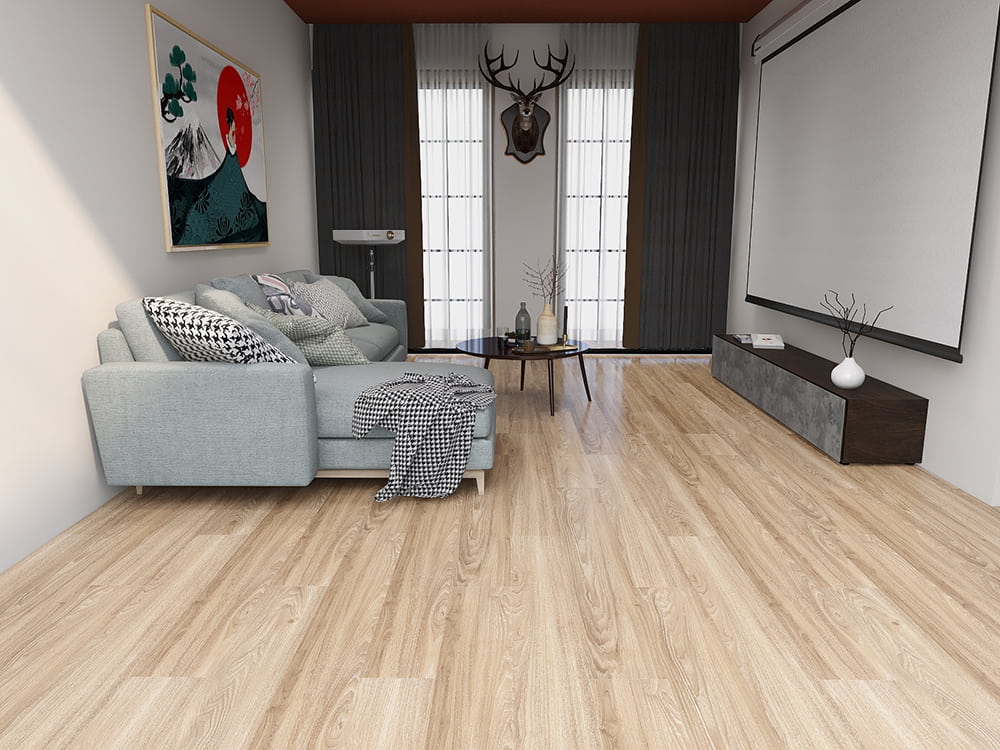
Patterns and colors spread wide enough to suit different moods and styles. Wood-look planks come in light oak tones that brighten spaces darker walnut shades that add warmth or gray-washed finishes for modern calm. Stone patterns copy slate marble or concrete textures for a cooler industrial feel. Tile designs bring classic checkerboard or herringbone layouts without the grout lines that collect dirt. Mixing colors or sizes stays easy too—maybe wider light planks in open areas and narrower darker ones in hallways or accents—creating custom flows without clashing. Textures range from smooth to lightly embossed so the surface feels close to what it looks like underfoot. That broad selection lets spaces stay cohesive or experiment with zones while keeping the overall look intentional and pulled together.
Layered Construction Provides Solid Performance
The build stacks several layers that work together for stability and looks. The core gives the flooring its strength and keeps it from flexing too much under weight. A printed layer adds the realistic grain stone or tile image with fine detail that holds color evenly. The clear wear layer on top seals everything protects against abrasion and makes cleaning simple. Some versions add extra coatings for better slip resistance or shine control. Thickness varies depending on the intended use with thinner options suiting lighter residential spots and thicker ones handling heavier commercial traffic. The whole setup stays flat and stable over time so edges don' t lift and seams stay tight even in changing indoor conditions.
| Flooring Type | Scratch and Stain Handling | Water and Moisture Resistance | Installation Flexibility | Design and Pattern Variety | Long-Term Upkeep Effort |
|---|---|---|---|---|---|
| Solid hardwood | Fair scratches dent easily | Low warps or stains with moisture | Moderate needs careful subfloor prep | Natural grain limited by wood type | High sealing polishing required |
| Ceramic or porcelain tile | Excellent resists scratches well | Very high handles wet areas | Difficult heavy subfloor work | Patterns but grout lines show dirt | Medium grout cleaning adds time |
| LVT flooring | Strong scuffs blend stains wipe away | High stays stable no warping | Easy click or glue over existing floors | Wide wood stone tile realistic looks | Low sweep mop minimal effort |
| Laminate | Moderate scratches show over time | Moderate edges swell with water | Easy click but subfloor sensitive | Printed looks less texture depth | Medium avoid standing water |
Overall Practical Benefits of LVT Flooring
LVT flooring keeps gaining ground because it quietly handles so many usual flooring issues. The realistic patterns bring wood stone or tile charm into rooms without the high cost or fussy care of natural materials. Durability means busy households commercial spaces or high-traffic zones don' t show quick wear or damage. Water resistance opens up kitchens bathrooms basements and entryways for the same inviting look without worry about swelling or stains. Installation adapts to different bases and stays manageable for DIY or quick pro jobs cutting time and mess. Upkeep remains light so sweeping mopping or wiping takes minutes and no special routines interrupt daily life. Style choices cover classic warm tones modern cool grays rustic textures or tile patterns so spaces feel personal and current. The material flexes to fit various rooms and uses while keeping performance steady through normal spills traffic and changes in conditions. That mix of good appearance solid toughness and easy handling makes it a dependable choice for updates renovations or new builds where floors need to look right work reliably and stay low-key.